




CLRR helps communities understand what’s happening in their lakes, rivers, and streams and how to make them healthier. Our team studies water quality challenges like algae blooms, excess phosphorus, and declining clarity, then provides practical solutions to restore and protect freshwater systems.
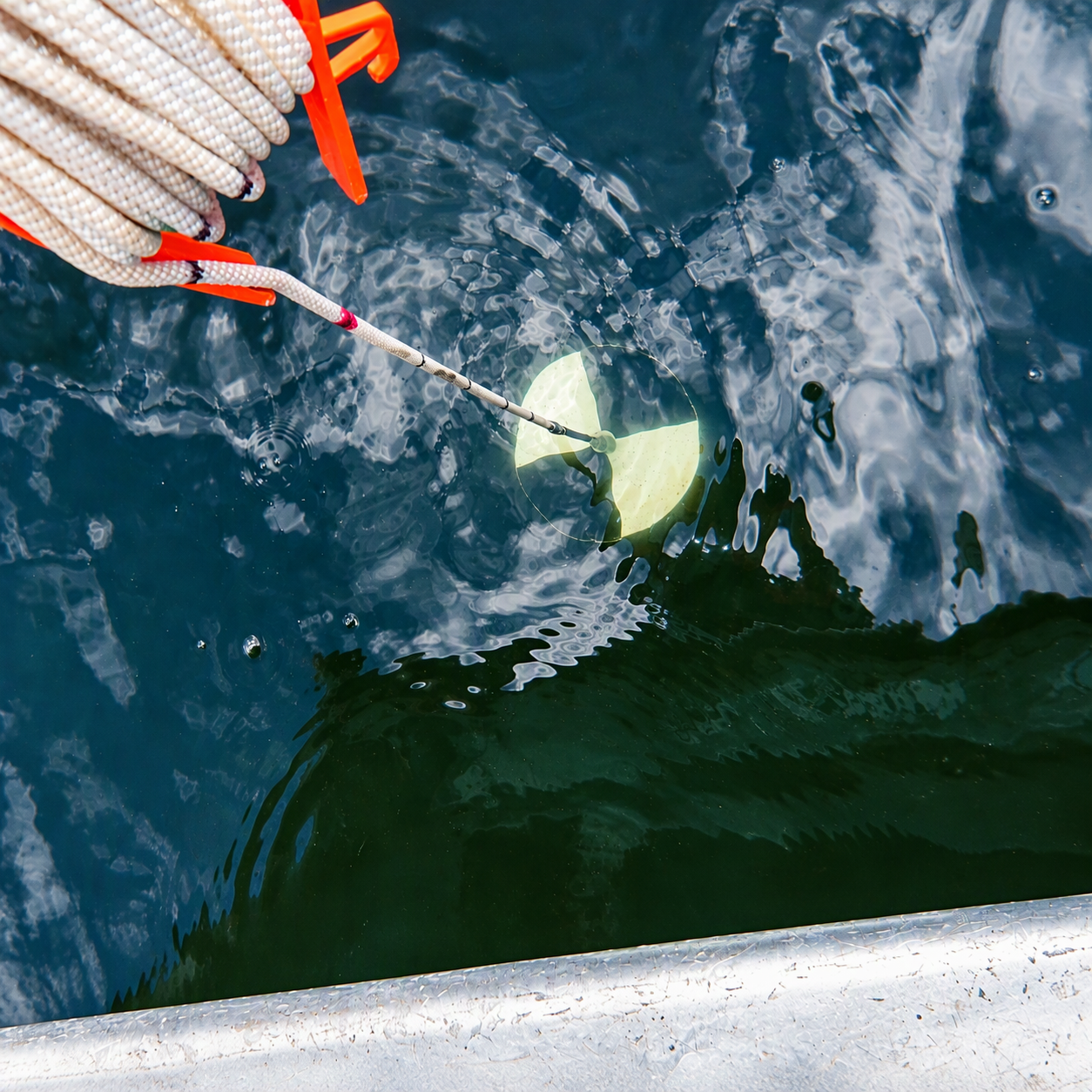
CLRR partners with local governments, lake associations, environmental consultants, nonprofits, conservation groups, and state and federal agencies to better understand and manage freshwater resources. From targeted investigations to long-term monitoring and research, we work collaboratively with our partners to turn environmental data into science-based management decisions.
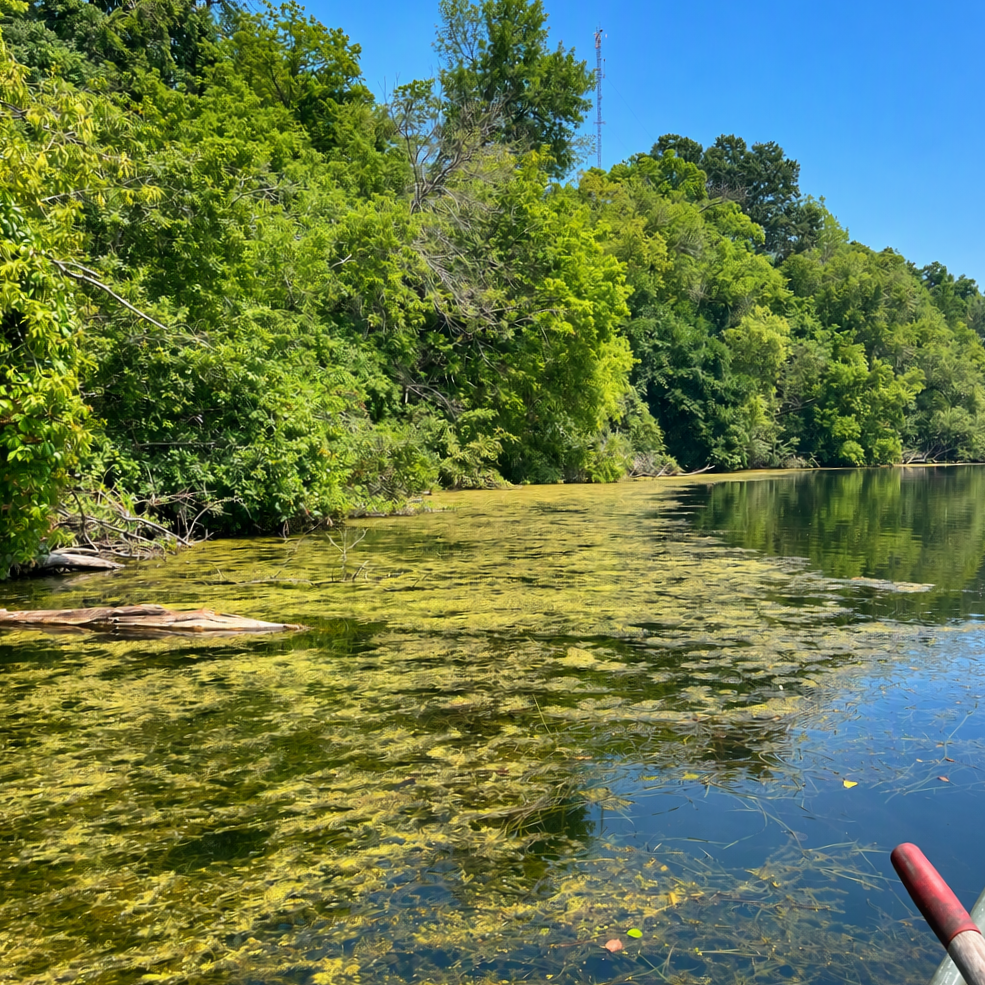
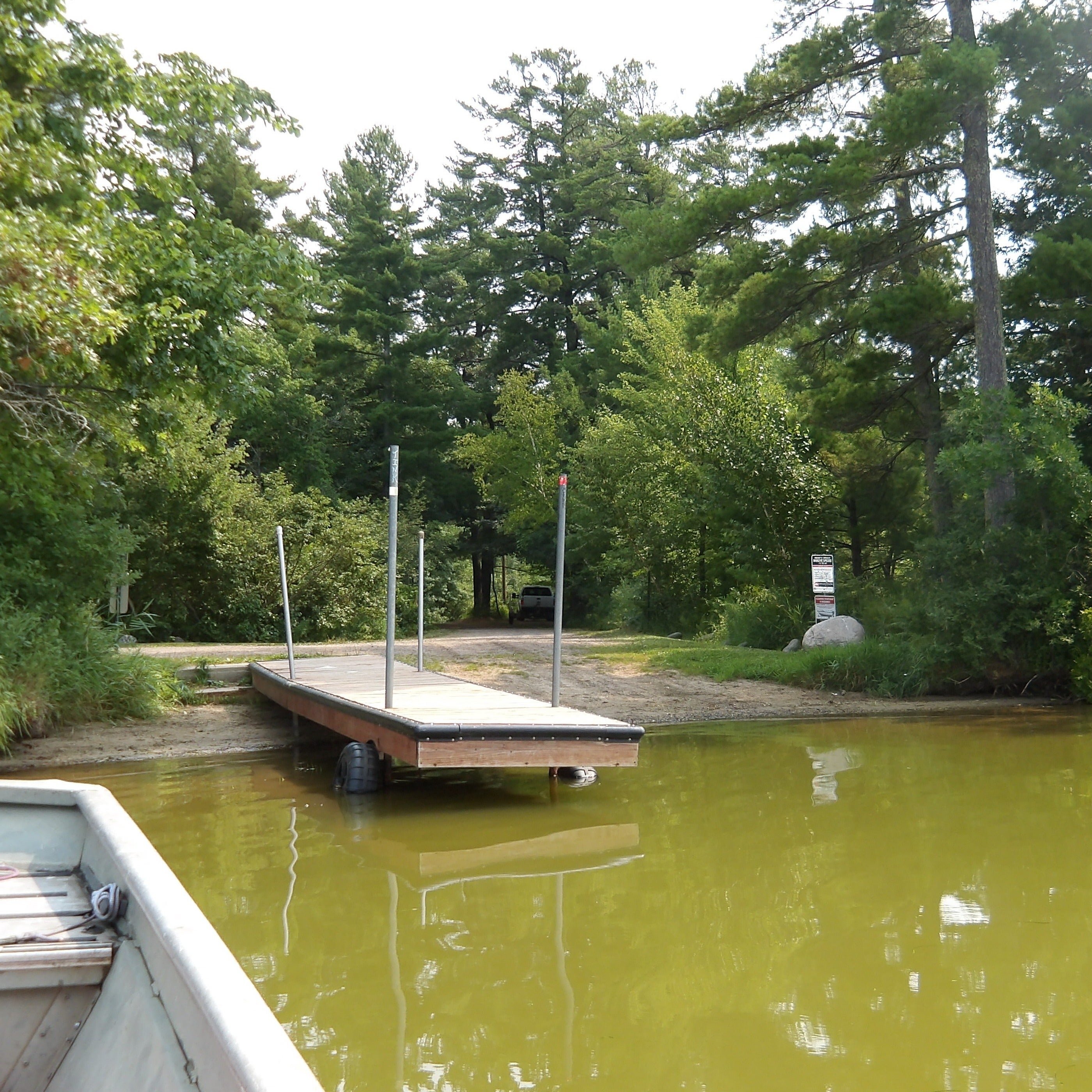
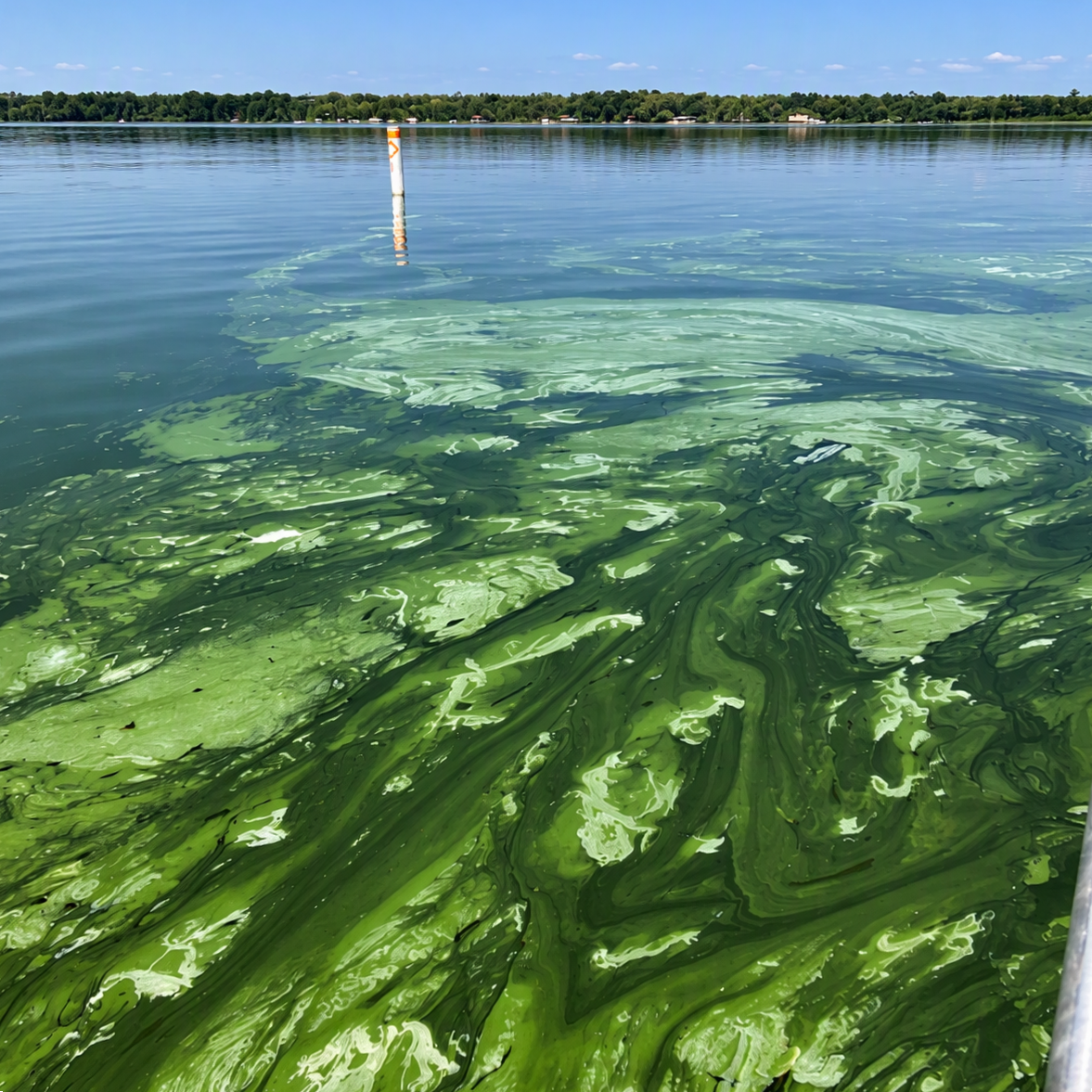
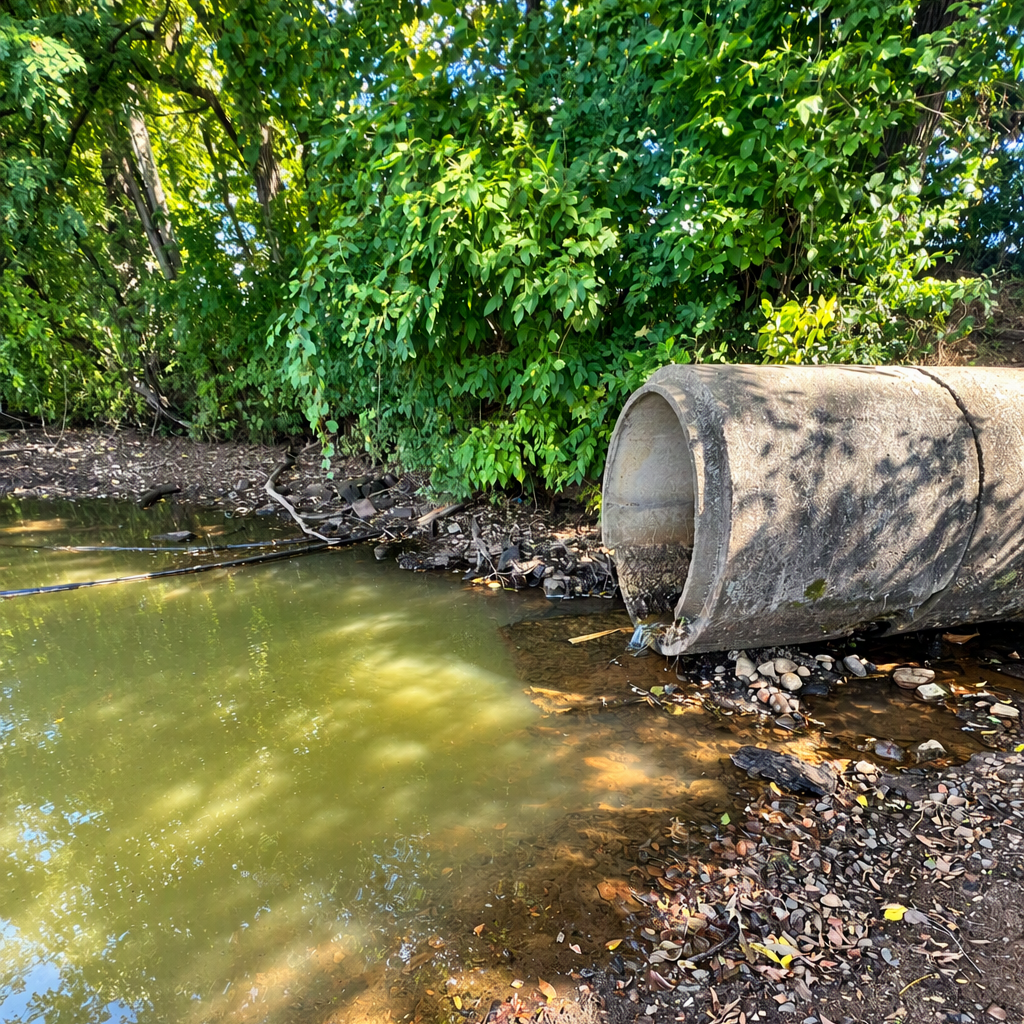
Examples of the water quality challenges CLRR investigates through monitoring and research.
Services & Capabilities
CLRR provides laboratory, field, monitoring, and research services tailored to the needs of each project. Our field team supports projects throughout Wisconsin and the Upper Midwest, while laboratory and research services are available to clients across the United States and internationally through sample shipment. Projects range from routine laboratory analyses and targeted field assessments to comprehensive, long-term monitoring and research studies. Explore our capabilities below.
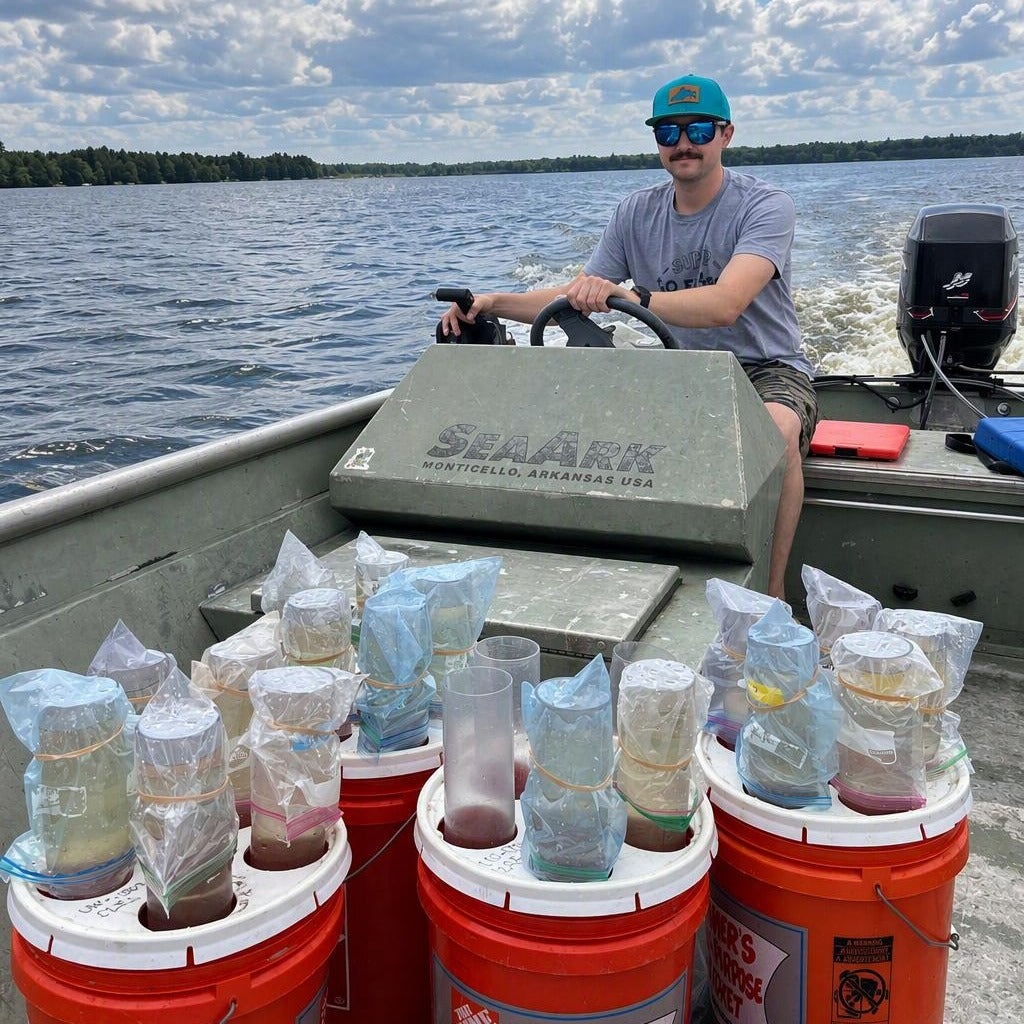
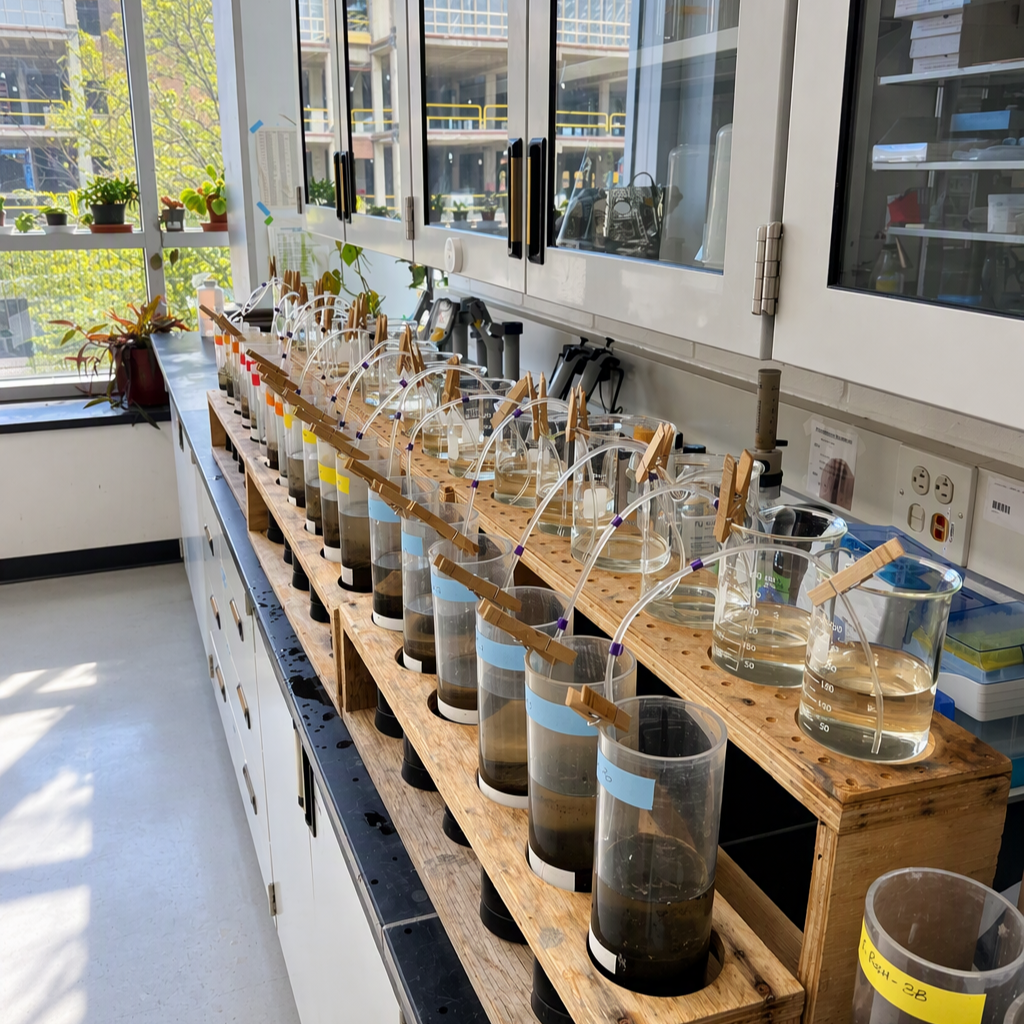
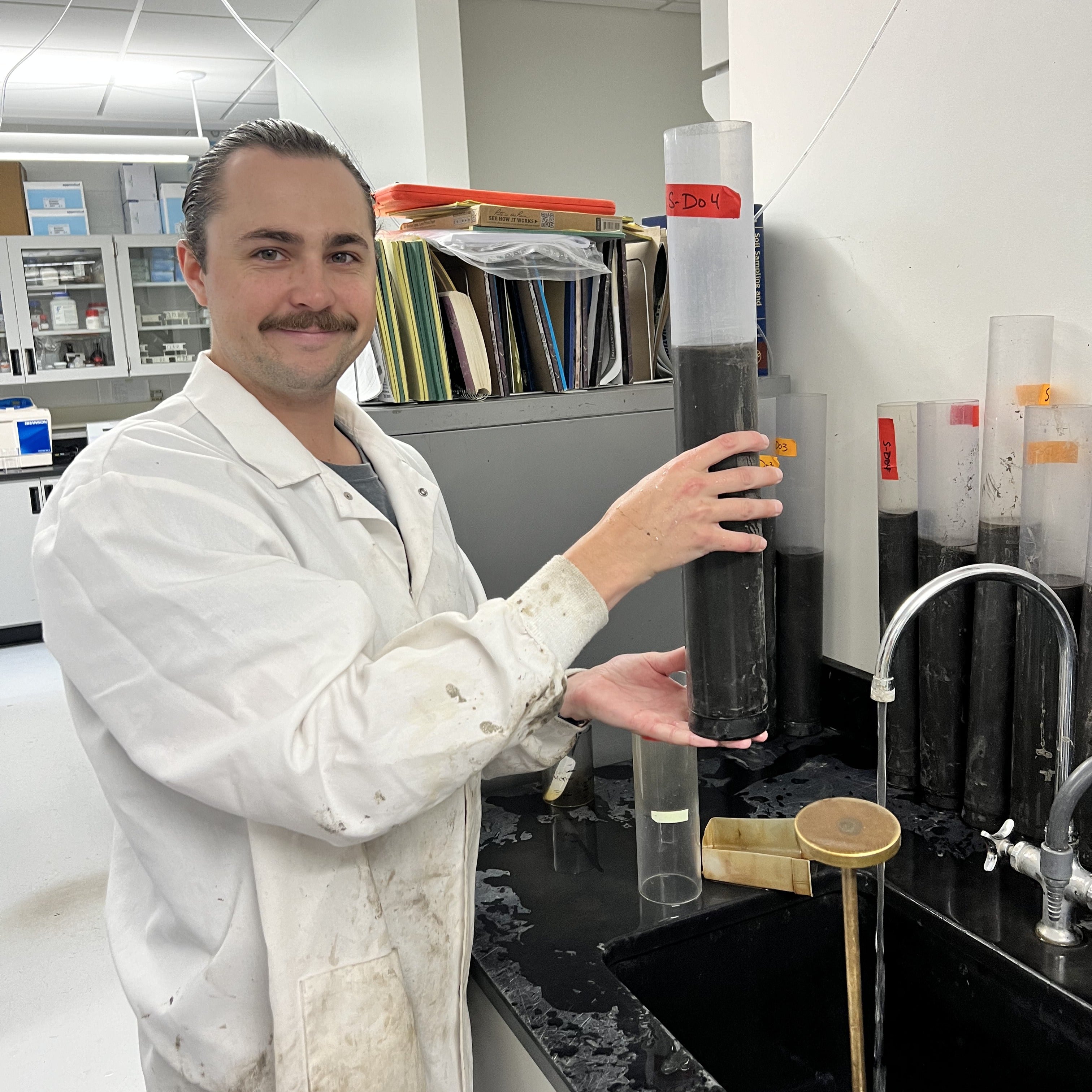
CLRR provides specialized lake sediment testing and analysis to evaluate nutrient storage, internal phosphorus loading, sediment characteristics, and potential restoration strategies.
- Sediment Physical Characteristics: Measures sediment moisture content and organic matter to help characterize sediment composition and support nutrient and lake management assessments.
- Total Nutrient and Metal Analysis: Measures nutrients and metals stored in lake and aquatic sediments to help evaluate nutrient accumulation and risks to water quality.
- Sediment Phosphorus Fractionation: Separates and measures different forms of phosphorus stored in sediment to evaluate phosphorus mobility, potential internal phosphorus loading, and the likelihood of release under changing environmental conditions.
- Sediment Nutrient Flux and Internal Loading: Measures the movement of phosphorus and other nutrients between bottom sediments and the overlying water. These studies help quantify internal nutrient loading and its contribution to algae blooms and impaired water quality.
- Alum Treatment Evaluation, Dosage & Alkalinity: Evaluates sediment phosphorus conditions and water chemistry to determine whether alum treatment may be appropriate and to calculate an aluminum sulfate dosage for managing internal phosphorus loading.
- Alum Assay: Tests a range of alum doses to determine how much is needed to effectively remove phosphorus from lake water. The results help identify an appropriate alum dose for reducing phosphorus availability and limiting internal phosphorus loading.
- Sediment Particle-Size Distribution: Determines the proportions of sand, silt, and clay in sediment to support evaluations of erosion, sediment transport, deposition, habitat conditions, and watershed influences.
- Sediment Oxygen Demand: Measures the amount of dissolved oxygen consumed by sediment to evaluate its effects on lake oxygen conditions, nutrient release, fish habitat, and overall ecosystem health.
- Equilibrium Phosphorus Concentration: Determines the phosphorus concentration at which sediment shifts between absorbing and releasing phosphorus. Results help predict sediment-water phosphorus exchange and support lake-management and treatment planning.
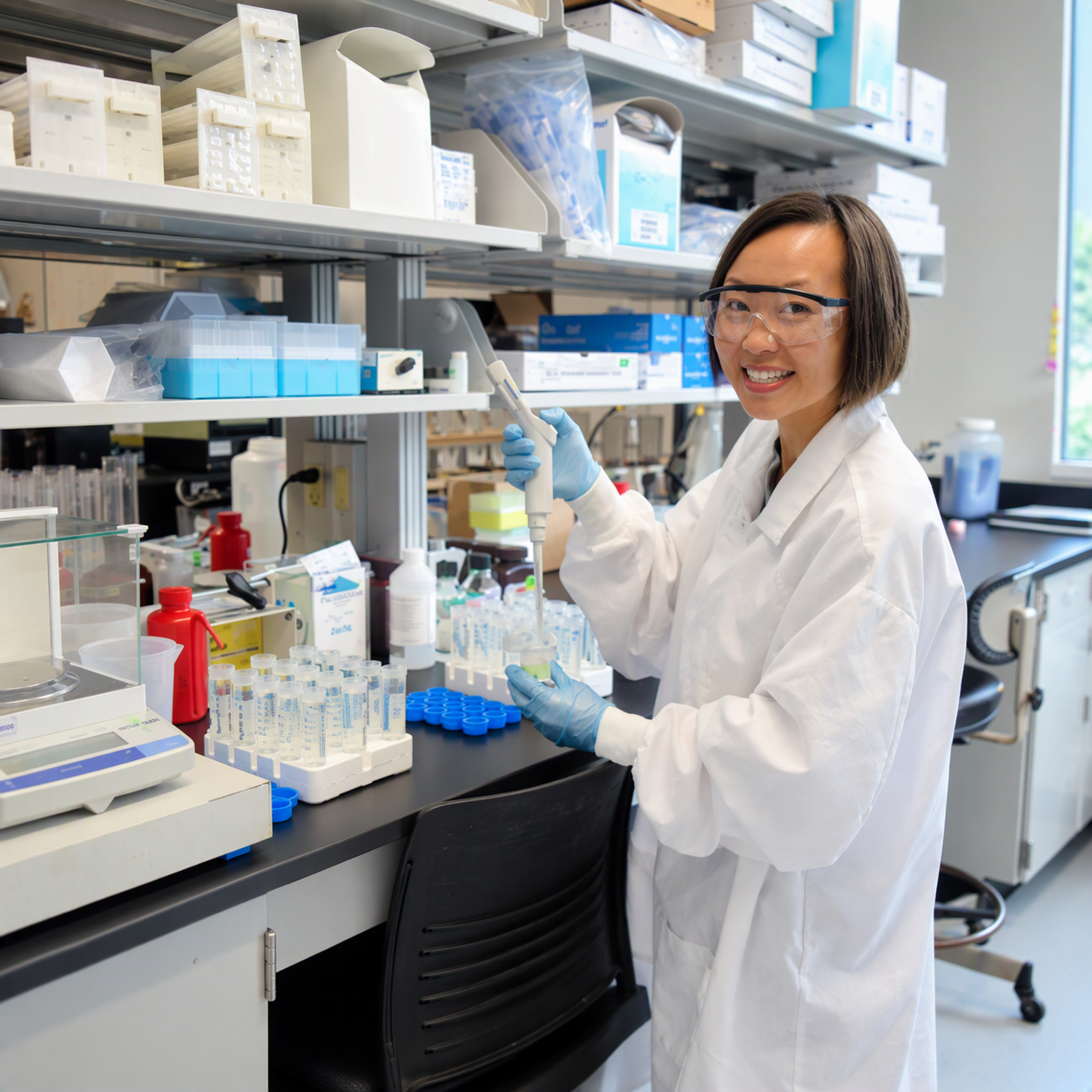
CLRR provides water quality testing and analysis for lakes, rivers, streams, and other freshwater systems. Our laboratory services measure nutrients, algae, and other key water quality indicators used to evaluate freshwater conditions and support lake and watershed management.
- Chlorophyll-a*: Measures chlorophyll-a concentrations as an indicator of algal biomass, helping evaluate algae levels, lake productivity, and overall water quality.
*Wisconsin DNR NR-149 accredited analysis.
- Total Phosphorus*: Measures the total concentration of phosphorus in water to evaluate nutrient conditions and the potential for excessive algae growth and water quality impairment.
*Wisconsin DNR NR-149 accredited analysis.
- Soluble Reactive Phosphorus*: Measures the readily available form of phosphorus in water that can be quickly used by algae and aquatic plants, helping evaluate nutrient availability and potential algae growth.
*Wisconsin DNR NR-149 accredited analysis.
- Alkalinity: Measures the acid-neutralizing capacity of water to evaluate buffering capacity, chemical stability, and potential responses to lake-management treatments.
- Turbidity: Measures water clarity by quantifying suspended particles such as sediment and algae, helping evaluate erosion, runoff, algal conditions, and other factors affecting freshwater quality.
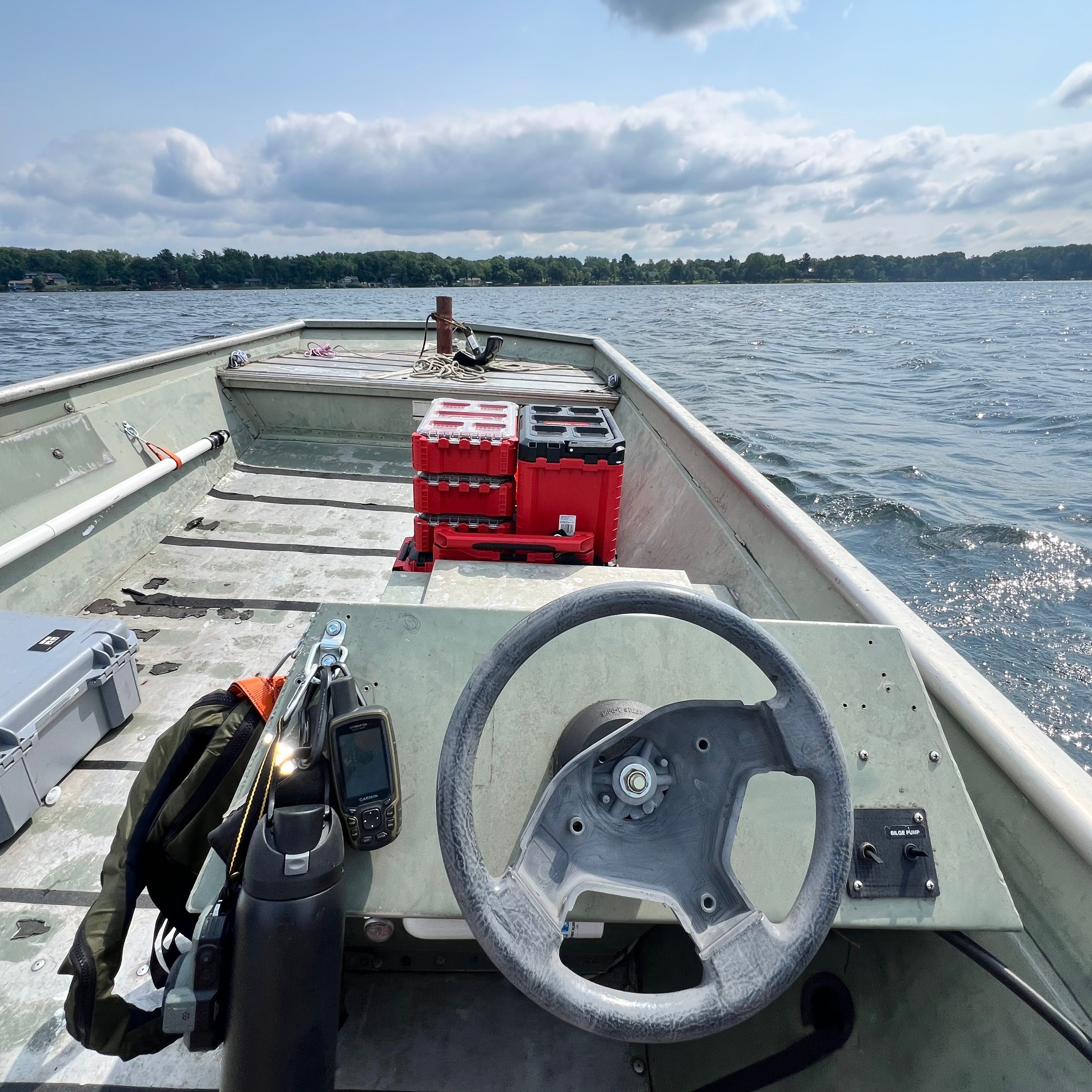
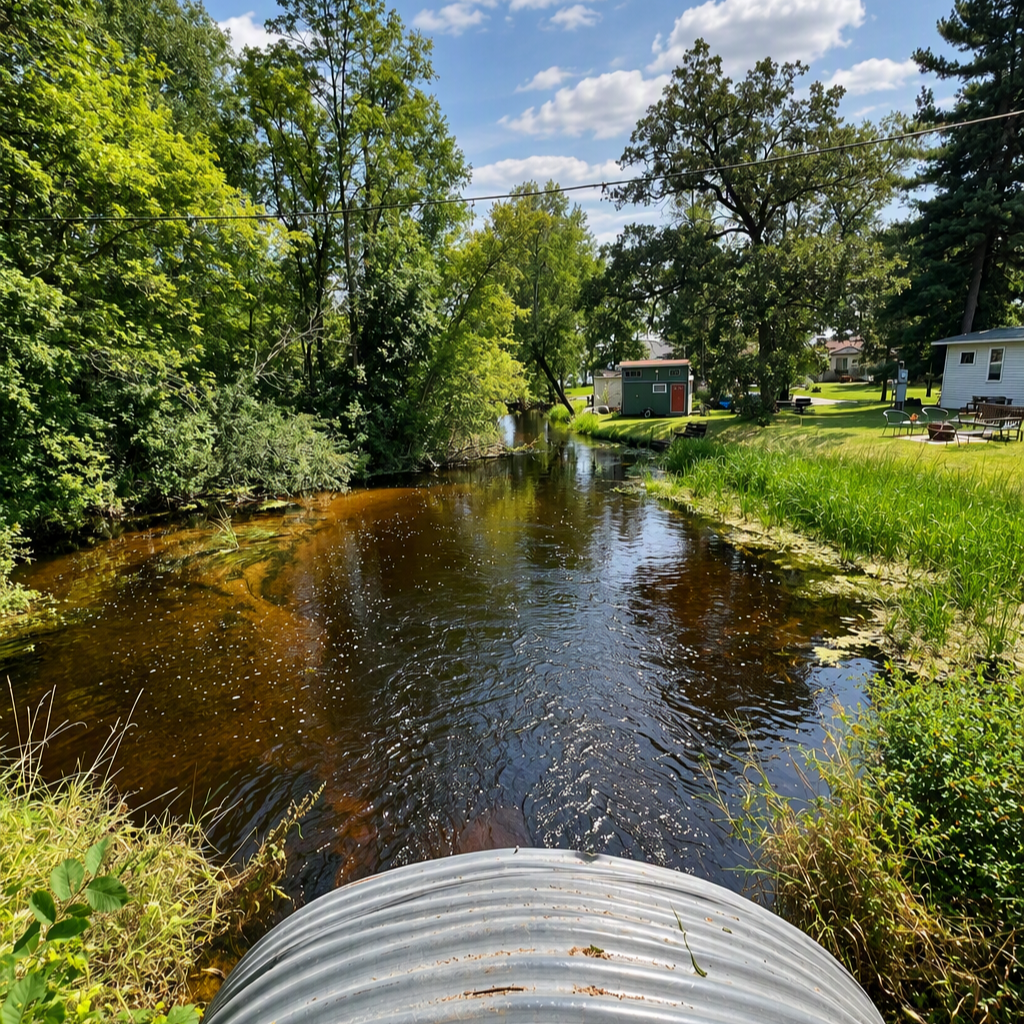
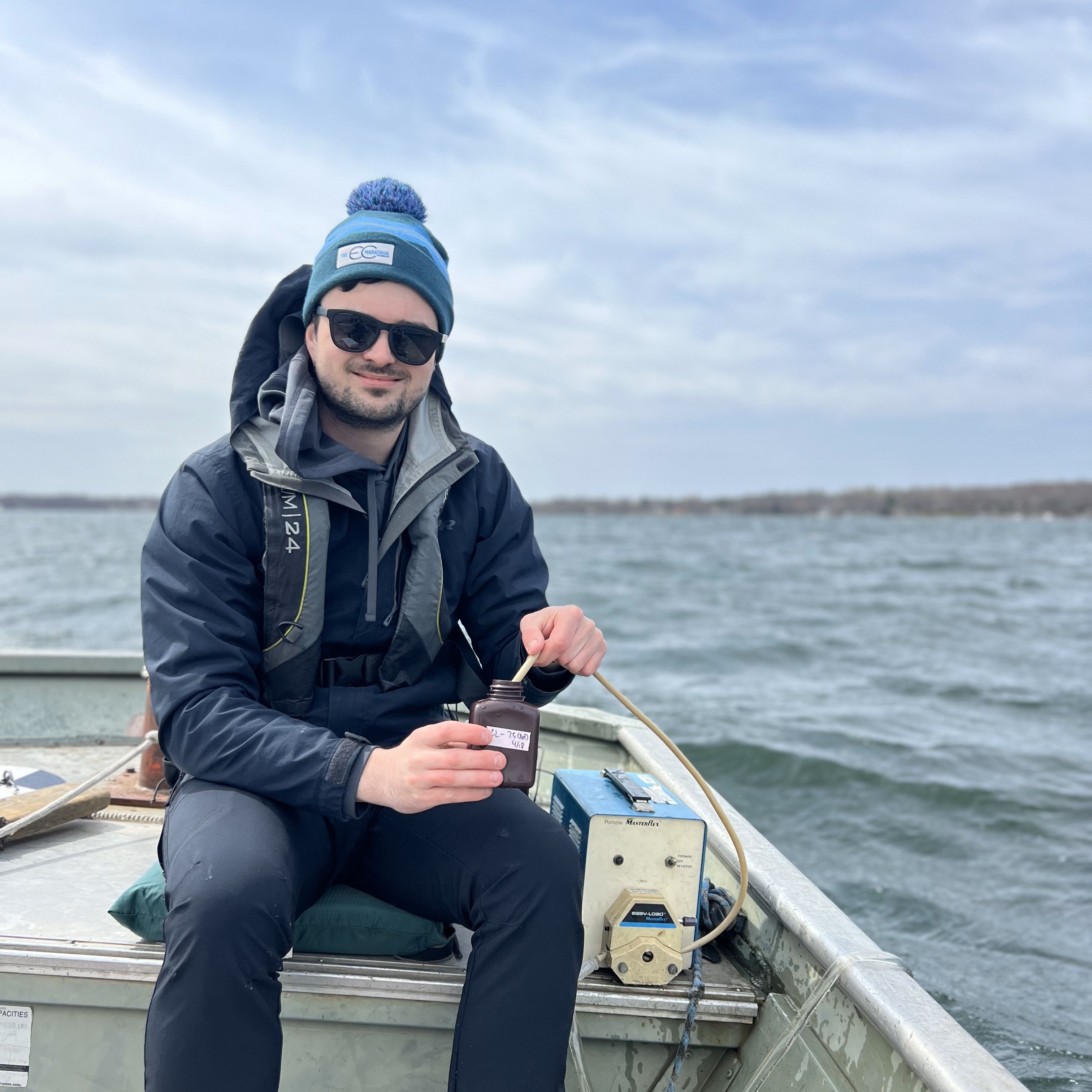
CLRR provides professional field sampling for lakes, rivers, streams, and watersheds, with sampling approaches tailored to project goals and laboratory requirements.
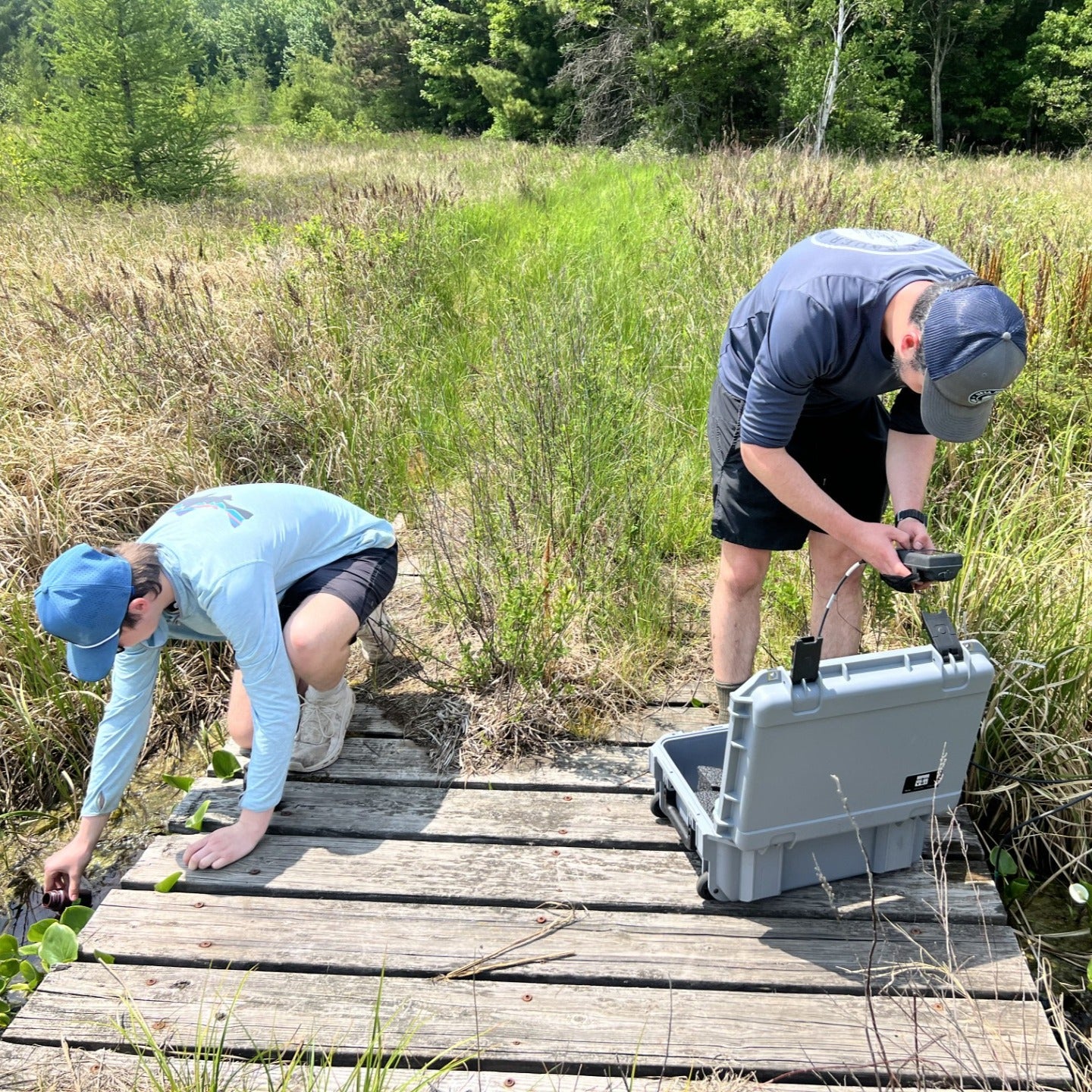
- Sediment Coring: Collects intact sediment cores from lakes and other aquatic systems for physical and chemical analysis. Sediment cores can be used to evaluate nutrient accumulation, sediment characteristics, internal phosphorus loading, contamination, and long-term changes in aquatic conditions.
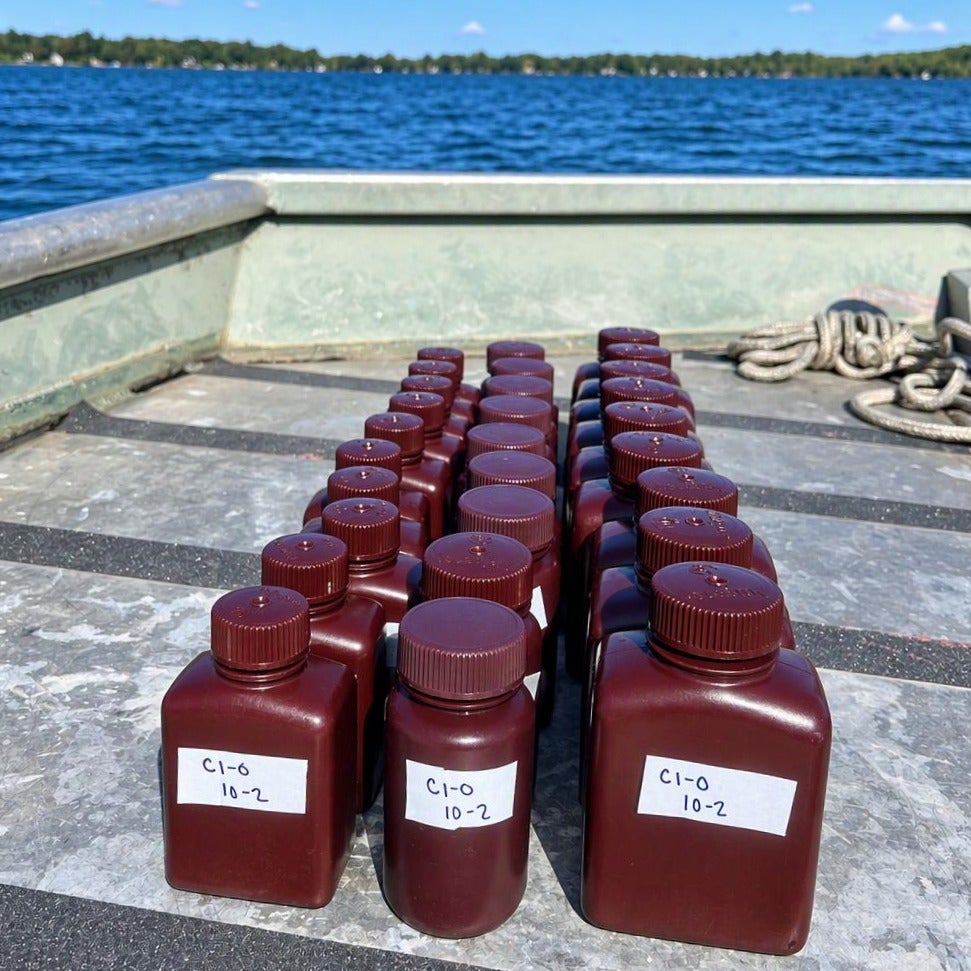
- Water Sampling: Collects representative water samples from lakes, rivers, streams, and tributaries for water quality testing and laboratory analysis. Sampling can support nutrient monitoring, algae assessments, watershed studies, long-term monitoring programs, and other water quality investigations.
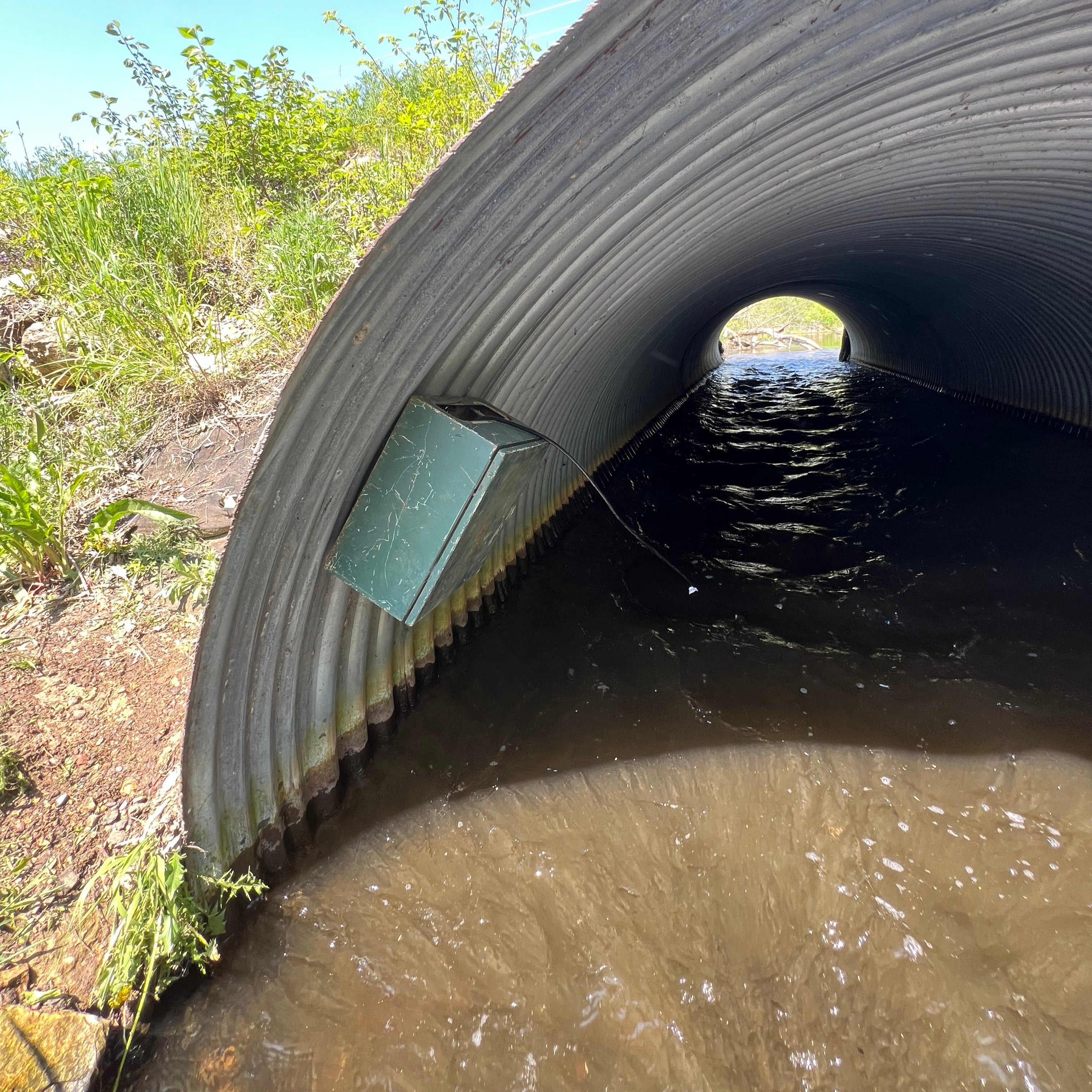
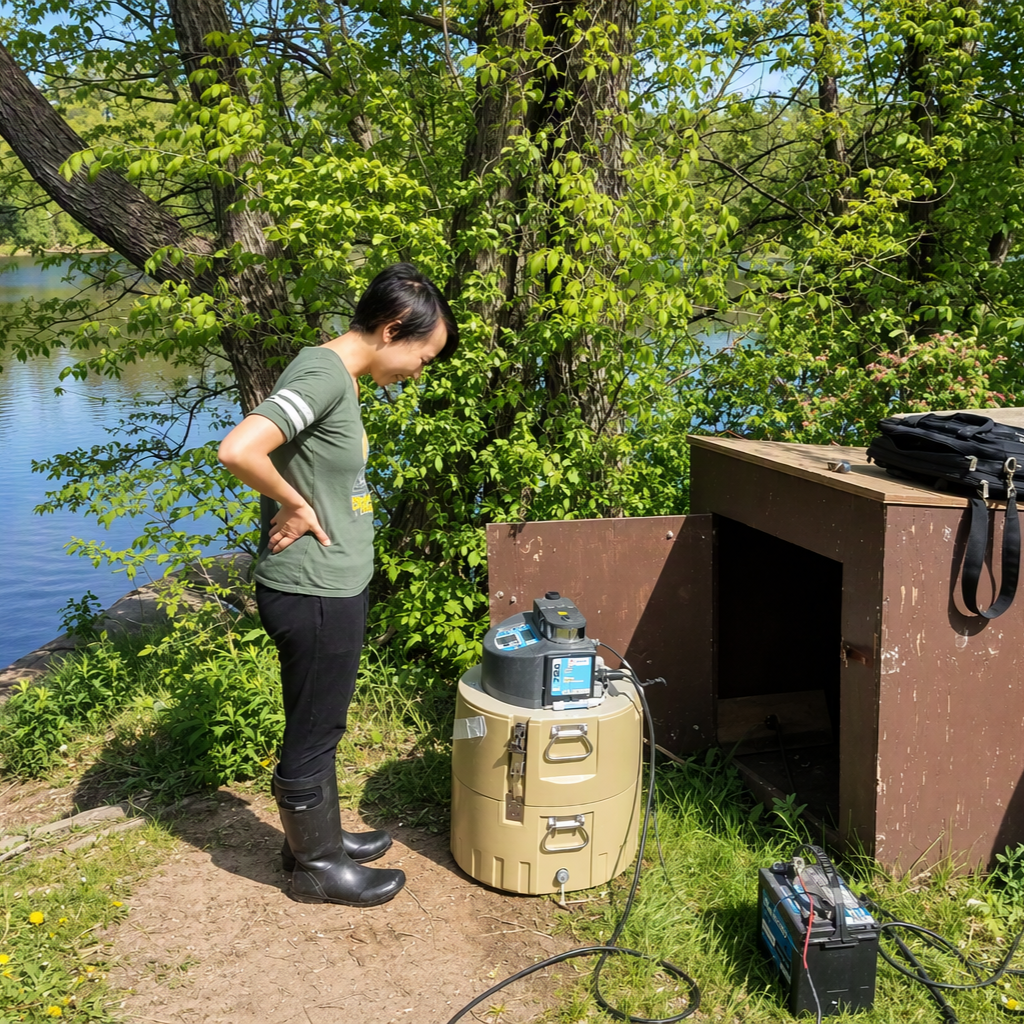
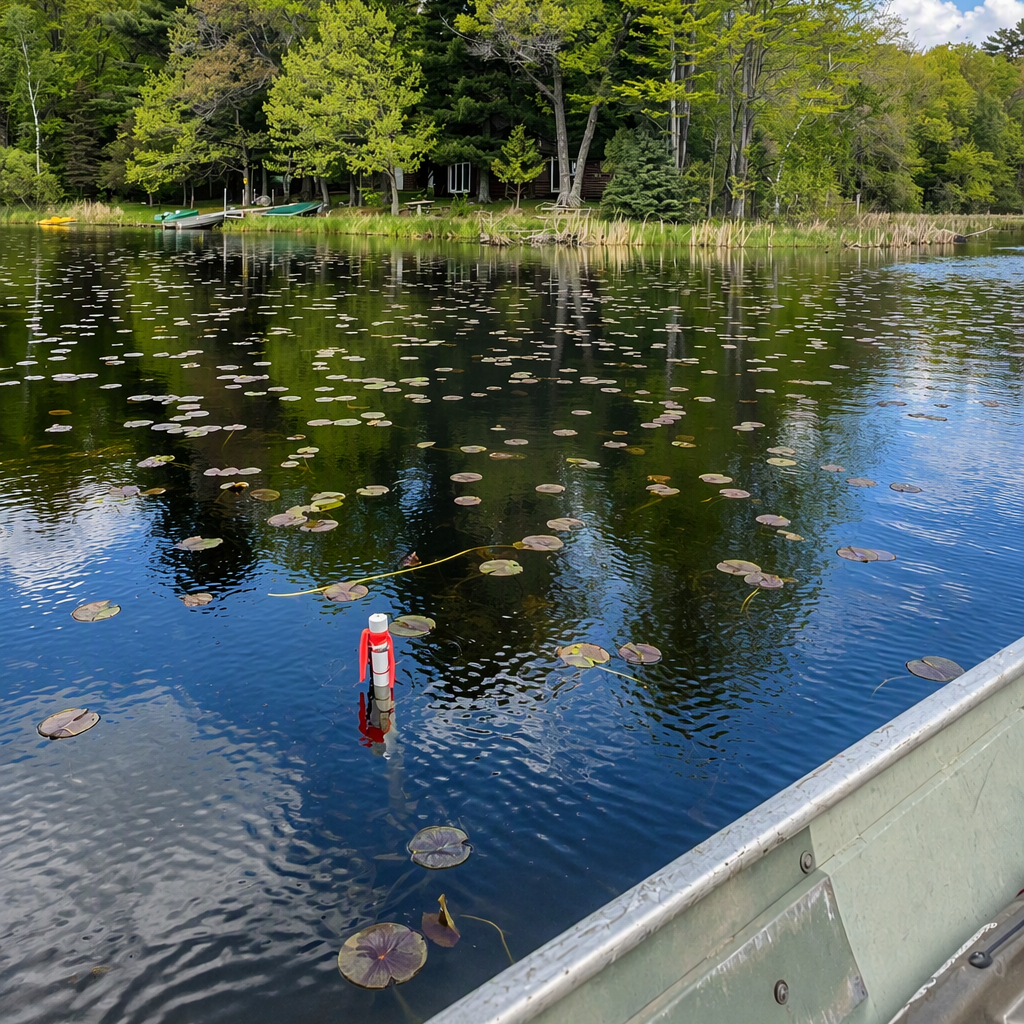
CLRR provides continuous and remote water quality monitoring for lakes, streams, tributaries, and watersheds. Monitoring programs can be tailored to evaluate hydrology, nutrient loading, storm events, seasonal conditions, and long-term changes in water quality.
- Flow Monitoring: Measures stream and tributary flow to evaluate hydrology, water movement, and watershed inputs to lakes and rivers. When paired with water quality sampling, flow data can be used to calculate nutrient and phosphorus loading and identify important sources of external loading.
- Continuous Temperature Monitoring: Uses deployed temperature loggers to track changes over time, supporting assessments of seasonal water conditions, thermal habitat, aquatic organisms, and environmental change.
- Automated Storm Event Sampling: Uses automated sampling equipment to collect water samples during storms and runoff events, capturing rapid changes in nutrient concentrations and water quality that may be missed by routine sampling. Results can help evaluate watershed runoff, pollutant transport, and nutrient loading.
- Continuous Multiparameter Water Quality Monitoring: Uses advanced sensors to continuously measure water quality parameters such as dissolved oxygen, temperature, pH, and conductivity. High-frequency monitoring helps identify daily and seasonal patterns, changing environmental conditions, and water quality responses that may not be captured through periodic sampling alone.
CLRR helps clients turn water quality data and research findings into clear, actionable information. Services range from technical report writing and data interpretation to management recommendations, stakeholder presentations, and public outreach.
- Technical Report Writing: Integrates laboratory results, field observations, monitoring data, and research findings into clear technical reports that document methods, results, water quality conditions, and management implications.
- Data Analysis, Interpretation & Visualization: Analyzes and interprets water quality, sediment, and monitoring data using figures, tables, maps, and other visualizations to identify patterns, communicate findings, and support science-based decision-making.
- Lake Management Recommendations & Adaptive Planning: Connects monitoring and research findings with practical lake and watershed management strategies. When requested, CLRR can support an adaptive management approach in which monitoring results are used to evaluate outcomes and refine management strategies over time.
- Stakeholder Presentations & Public Outreach: Communicates water quality and research findings to lake associations, local governments, agencies, boards, conservation organizations, and community audiences through presentations, meetings, educational materials, and other public-facing communication.
Equipment & Expertise
CLRR combines modern laboratory and field equipment with extensive experience in applied freshwater research and lake management. Our team specializes in phosphorus dynamics, internal nutrient loading, sediment chemistry, and nutrient exchanges between aquatic sediments and the overlying water. We also bring experience conducting long-term monitoring and research to evaluate how freshwater systems respond to environmental change and management actions. When requested, we work collaboratively with clients using an adaptive management approach, allowing monitoring, research, and management strategies to evolve as new information becomes available.
CLRR Equipment List
Project Costs & Sampling Options:
Every lake, river, and watershed is different, so project costs are based on the specific laboratory analyses, fieldwork, and research needed to meet your goals. We offer flexible sampling options, including sampling kits for clients who prefer to collect their own samples or full-service sampling conducted by our field team. Contact CLRR for a detailed, no-obligation quote tailored to your project and sampling needs.
Have a Water Quality Question?
Not sure which services your project needs? Talk with CLRR about your lake, river, stream, or watershed, and our team can help identify an appropriate laboratory, monitoring, field, or research approach.
Meet Our Team

Conor grew up in Hudson, Wisconsin, exploring the St. Croix River Valley and developing a passion for freshwater ecosystems. He earned a bachelor’s degree in environmental science with a concentration in Aquatic Biology from the University of Wisconsin–Stout and continued in its Conservation Biology graduate program. During graduate school, he researched how lake sediment contributes to harmful algal blooms with the CLRR Lab, strengthening his expertise in aquatic science. After working in environmental consulting in the Twin Cities, Conor returned to UW–Stout in 2023 as Laboratory Research Coordinator, supporting research to improve freshwater systems.

Andrew grew up in La Crosse, Wisconsin, exploring the Mississippi River and Driftless Bluffs. He earned a degree in Water Resources and Soil Sciences from the University of Wisconsin–Stevens Point in 2018. Andrew began his career with the Wisconsin DNR, serving as a Fisheries Technician and Water Resource Specialist before becoming a Watershed Restoration Coordinator. In 2024, he joined the CLRR as Field Research Coordinator, leading field operations and spending summers sampling lakes across northern Wisconsin to support research that promotes healthy aquatic ecosystems.

At the Center for Limnological Research and Rehabilitation (CLRR), we are proud to employ dedicated student team members who play an essential role in our work. Our student employees assist with a variety of laboratory and field tasks, gaining hands-on experience that complements their academic studies.
We offer paid internships designed to provide real-world skills in water quality research and environmental science. These positions are flexible to accommodate class schedules, ensuring students can balance work and school while contributing to meaningful research projects.