


UW-Stout Polytechnic, Wisconsin's Polytechnic University, offers six engineering bachelor's degrees through its Robert F. Cervenka School of Engineering: computer and electrical engineering, engineering technology, manufacturing engineering, mechanical engineering, packaging, and plastics engineering. Its computer and electrical, manufacturing, mechanical, and plastics engineering degrees are accredited by the Engineering Accreditation Commission of ABET, and its engineering technology degree by ABET's Engineering Technology Accreditation Commission. Unlike theory-first programs that save hands-on work for later years, every UW-Stout Polytechnic engineering program is lab- and project-based from the first semester, includes co-op or internship experience, and has students solve real problems for industry partners such as 3M, Andersen Corporation, Cirrus Aircraft, and Graco. Shared introductory courses let students explore before choosing a major, and many combine majors, such as mechanical and manufacturing engineering.
What Engineering Degrees Does UW-Stout Polytechnic Offer?
| Degree | What You Will Engineer |
|---|---|
| B.S. Computer & Electrical Engineering | Circuits, embedded systems, power, and the hardware and software that control modern devices |
| B.S. Engineering Technology | Applied solutions across design, automation, plastics, and production, with a path toward management |
| B.S. Manufacturing Engineering | The processes, automation, and production systems that make products |
| B.S. Mechanical Engineering | Machines, mechanical devices, and thermal and energy systems |
| B.S. Packaging | Packages and packaging systems that protect, ship, and sell products |
| B.S. Plastics Engineering | Plastic materials, products, and molds, including sustainable plastics |
Several of these programs are rare. The B.S. Manufacturing Engineering is the only undergraduate manufacturing engineering program in the Universities of Wisconsin and one of about 25 in the country. The B.S. Plastics Engineering is one of only two plastics engineering programs in the U.S. accredited by the Engineering Accreditation Commission of ABET. The B.S. Packaging is the only packaging bachelor's degree in the Universities of Wisconsin. Graduates can continue with an M.S. Manufacturing Engineering, offered on campus and online.
What Is a Polytechnic University?
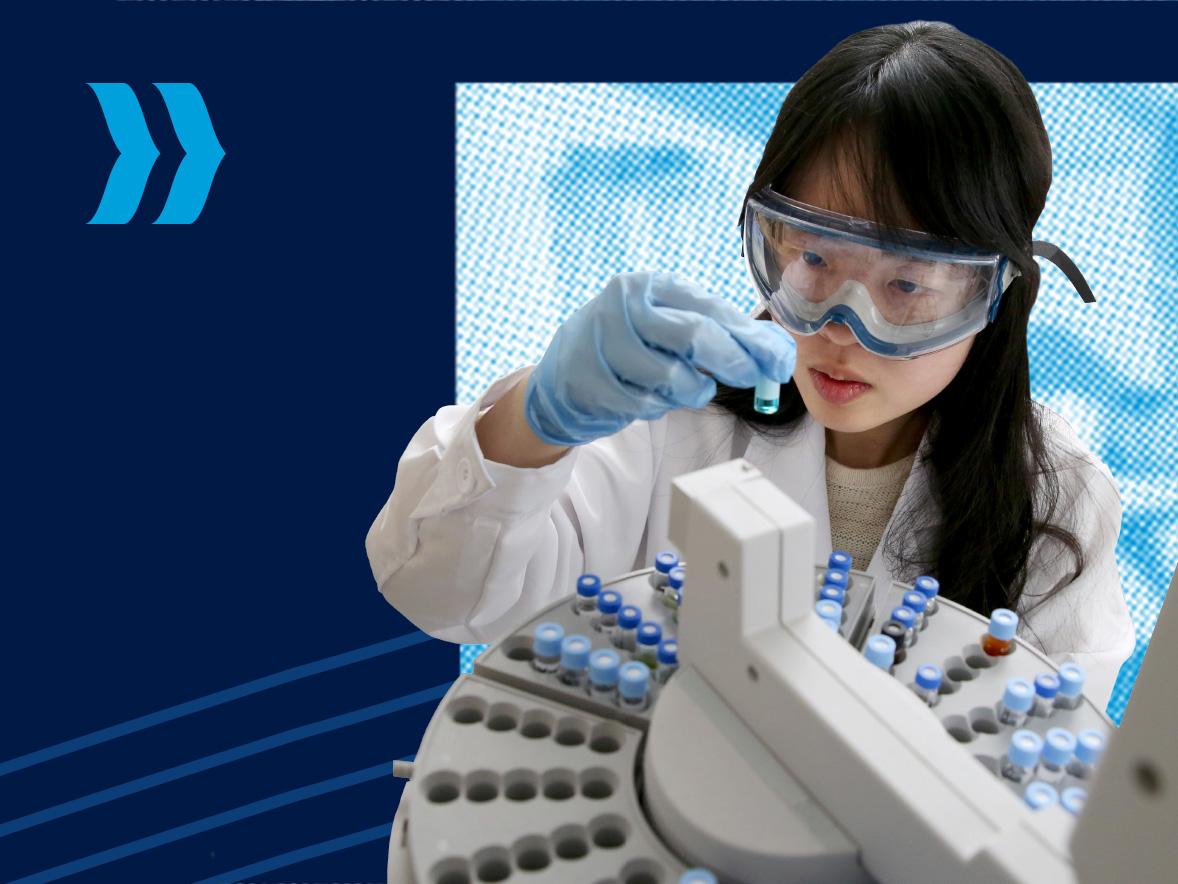
A polytechnic university teaches the sciences and technical fields through applied, hands-on learning tied closely to industry. Students learn theory and put it to work at the same time, in labs, design projects, and professional work experience. UW-Stout Polytechnic is Wisconsin's Polytechnic University, and its engineering programs have grown from that mission since its first engineering program, industrial technology, launched in 1956.
How Is a Polytechnic Engineering Program Different From a Theory-First Program?
All accredited engineering programs teach the same rigorous math, science, and engineering fundamentals. The difference is when and how students use them.
Many university engineering programs are theory-first. Students spend their early semesters in large lecture courses, labs are often led by graduate teaching assistants, and much of the design and lab work comes in later years. At research-focused universities, faculty time is divided with funded research, and undergraduates who join research usually work on a narrow piece of a faculty project aimed at publication.
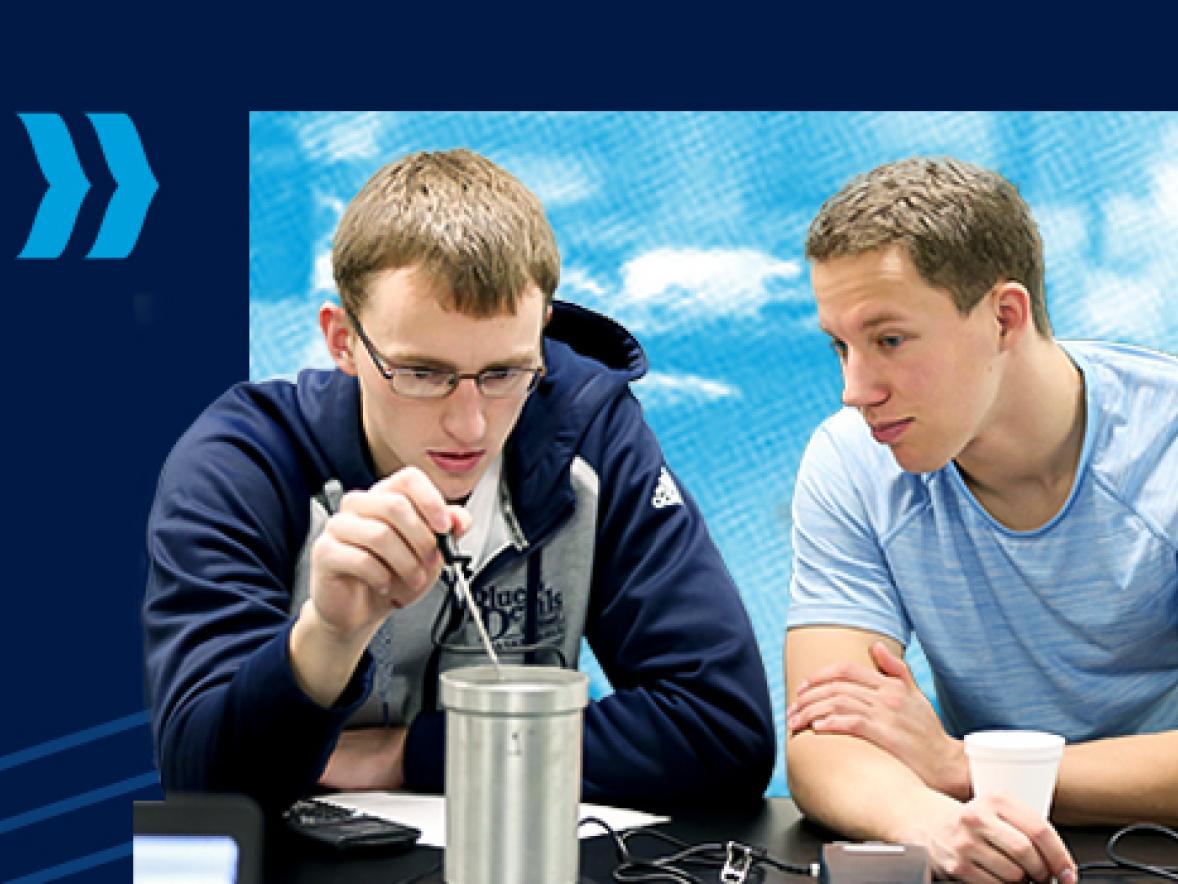
At UW-Stout Polytechnic, every engineering program is lab- and project-based from the first semester. Courses are taught by industry-experienced faculty, not graduate assistants, and without 200-person lecture halls. Students define requirements, manage budgets and deadlines, build prototypes, and present results to engineers who will use them, which is the daily work of most engineers. Graduates leave with experience, not just coursework, and UW-Stout Polytechnic engineering graduates routinely compete with, and win positions over, applicants from larger universities. Students who want to go further can still pursue graduate school, and many do.
Which Engineering Major Is Right for Me?
Start with what you want to spend your days doing:
- Design machines, engines, and energy systems: mechanical engineering
- Design how products get made, with robotics and automation: manufacturing engineering
- Build electronics, embedded systems, and power systems: computer and electrical engineering
- Apply engineering broadly and move toward leading teams and operations: engineering technology
- Work with materials, molds, and sustainable plastics: plastics engineering
- Combine engineering, design, and supply chain to package products: packaging
Every path leads to strong, in-demand careers. If you are not sure yet, that is normal: UW-Stout Polytechnic's engineering degrees share introductory courses and hands-on experiences, so you have time to find your field after you start.
Can I Change Majors or Double Major in Engineering?
Yes. Shared introductory courses make it practical to switch between UW-Stout Polytechnic engineering programs early on, and many students add a second major. Mechanical engineering and manufacturing engineering are distinct ABET-accredited degrees, and many students double major in both to graduate with expertise in designing products and the processes that make them. Students can also double major with a B.S. Mechanical Engineering and a B.S. Physics in five years on one campus, and accelerated bachelor's-plus-master's options reduce the time and cost of a graduate degree.
What Is the Difference Between Engineering and Engineering Technology?
The difference is focus, not whether you get to build things. Engineering programs emphasize engineering analysis and the design of new systems, with deeper math such as differential equations and linear algebra. Engineering technology programs emphasize applying, implementing, and improving technology in products and production. ABET accredits them through two separate commissions: the Engineering Accreditation Commission (EAC) and the Engineering Technology Accreditation Commission (ETAC). At UW-Stout Polytechnic, both are hands-on from the first semester.
What Does ABET Accreditation Mean?
ABET is the nonprofit that accredits college programs in engineering, engineering technology, computing, and applied and natural science. Accreditation means a program has been reviewed against the profession's quality standards and continuously improves to meet them. Employers, graduate schools, and state licensing boards look for it. UW-Stout Polytechnic's computer and electrical, manufacturing, mechanical, and plastics engineering programs are accredited by ABET's EAC, and its engineering technology program by ABET's ETAC.
Which Engineering Degrees Lead to a Professional Engineer (PE) License?
In Wisconsin, PE licensure requires a degree from an EAC/ABET-accredited engineering program, passing the Fundamentals of Engineering (FE) exam, typically about four years of qualifying experience, and passing the PE exam. The exams are administered by the National Council of Examiners for Engineering and Surveying (NCEES). UW-Stout Polytechnic's computer and electrical, manufacturing, mechanical, and plastics engineering degrees meet that education requirement.
Most engineers never need a PE license. It is required mainly for engineers who sign off on certain public-facing designs, such as building systems. Engineering technology careers in manufacturing, automation, quality, and operations do not require one, and they offer competitive salaries without it.
Is a Co-op or Internship Required?
Yes. UW-Stout Polytechnic engineering students complete professional work experience through the award-winning Cooperative Education & Internship Program (CEIP). Placements include Fortune 500 companies and regional manufacturers, and more than a third of UW-Stout Polytechnic students accept positions with their internship employer after graduation. Most engineering students complete two or more co-ops or internships while studying at UW-Stout Polytechnic.
What Labs and Industry Projects Will I Work On?
Engineering students learn in more than 20 industry-standard labs, including:
- Additive Manufacturing Lab
- Computer-Aided Manufacturing Lab
- Energy Systems Lab
- Engineering Materials Testing Lab
- Industrial Controls & Automation Engineering Lab
- Industrial Robotics & Machine Vision Lab
- Plastics Engineering Lab
- Research & Development Prototyping Lab
- Packaging materials, prototyping, and computer labs
Through industry-sponsored projects and capstones, students design and test solutions for companies including 3M, Andersen Corporation, Ashley Furniture Industries, Cirrus Aircraft, Fastenal, Graco, Greenheck Group, and nVent. Recent work includes prototypes for Ashley, Cadrex, and Apogee and support for Sierra Space's lunar dust testing system.
Is the Largest Engineering School the Best Choice?
Not necessarily. Size shows that a school or major is popular, not that each student gets more from it. Larger programs can mean bigger classes, more competition for lab time and faculty attention, and fewer chances to lead real industry projects. Better questions are how many hours you will spend in labs, who teaches your courses, whether work experience is part of the degree, and how early you work on projects for actual companies.
Is a Private Engineering School Worth the Higher Cost?
It depends on what the extra cost buys. Every EAC/ABET-accredited engineering program meets the same accreditation criteria, and every graduate follows the same FE exam and PE licensure path. National rankings rely heavily on peer reputation surveys, which measure name recognition more than what a student will do in four years. Before paying private tuition, compare net price after aid, required work experience, industry-sponsored projects, and published outcomes. UW-Stout Polytechnic offers public university tuition plus out-of-state tuition programs, along with the applied experience employers hire for.
How Should I Compare Engineering Outcomes and Starting Salaries?
Look beyond the headline number:
- The year and the measure. Check the graduating class year and whether the figure is an average or a median.
- Who responded. Ask how many graduates reported salaries and what share of the class that represents.
- Where graduates work. Pay and cost of living differ by region.
- What the degree cost. A higher starting salary means less if it comes with significantly more student debt.
Also compare placement rates, how many graduates are hired by their internship employer, and how quickly graduates move into senior roles. At UW-Stout Polytechnic, 99% of engineering graduates were employed or continuing their education within six months, according to UW-Stout Polytechnic Career Services data for 2024–2025 graduates. See science and engineering career outcomes for program-level results.
Can I Earn an Engineering Degree Online or Part Time?
Some universities offer hybrid engineering degrees that combine online lectures with short, scheduled lab sessions. They can work for students who cannot relocate, but engineering is learned largely in the lab, the shop, and the design team, and condensed lab sessions limit hands-on time. UW-Stout Polytechnic's engineering bachelor's degrees are delivered on campus so students can work in labs throughout the program. Working engineers can continue their education through the M.S. Manufacturing Engineering, offered online.
What Will Engineering at UW-Stout Polytechnic Cost If I Live Outside Wisconsin?
Often less than you might expect. Minnesota residents may qualify for tuition reciprocity, and UW-Stout Polytechnic is about an hour from Minneapolis–St. Paul. Residents of Illinois, Indiana, Iowa, Kansas, Michigan, Missouri, Nebraska, North Dakota, Ohio, and South Dakota may qualify for the reduced Midwest Tuition rate. Engineering programs carry an additional program-specific tuition on top of the standard rate. See tuition, fees, and payments for current rates, including the engineering rate schedule, and tuition, reciprocity, and waiver programs to check eligibility.
How Do I Prepare for an Engineering Degree?
In high school, take as much math and science as you can, including precalculus or calculus, physics, and chemistry. CAD, robotics, and Project Lead The Way courses also help, and some can earn college credit. Transfer students should complete calculus, university physics, and college chemistry, and can use articulation agreements and credit for prior learning to move into a UW-Stout Polytechnic engineering degree.
How Do I Choose the Right Engineering Program?
Look for programs that check every box below:
- ABET accreditation that matches your goals, from the Engineering Accreditation Commission (EAC) for engineering or the Engineering Technology Accreditation Commission (ETAC) for engineering technology.
- A required co-op or internship, not just an optional one.
- Industry-sponsored projects, ideally before your senior capstone.
- Faculty-taught courses and labs, rather than large lectures and TA-led sections.
- Published outcomes, including starting salaries and placement rates with sources and years.
- Value, comparing public tuition, reciprocity agreements, and scholarships with private school costs.
UW-Stout Polytechnic's engineering programs are built around these questions: its engineering and engineering technology degrees are ABET-accredited, every program is lab- and project-based from the first semester, and students work on projects for industry partners. Located in Menomonie, about an hour east of Minneapolis–St. Paul, the university connects students to employers across Wisconsin and Minnesota.
What Is the Robert F. Cervenka School of Engineering?
The Robert F. Cervenka School of Engineering, housed in Fryklund Hall, is home to UW-Stout Polytechnic's engineering programs within the College of Science, Technology, Engineering, Mathematics & Management. It was named in 2017 for Robert F. Cervenka, founder of Phillips Plastics, whose family's gift helped modernize labs and expand engineering education in western Wisconsin.