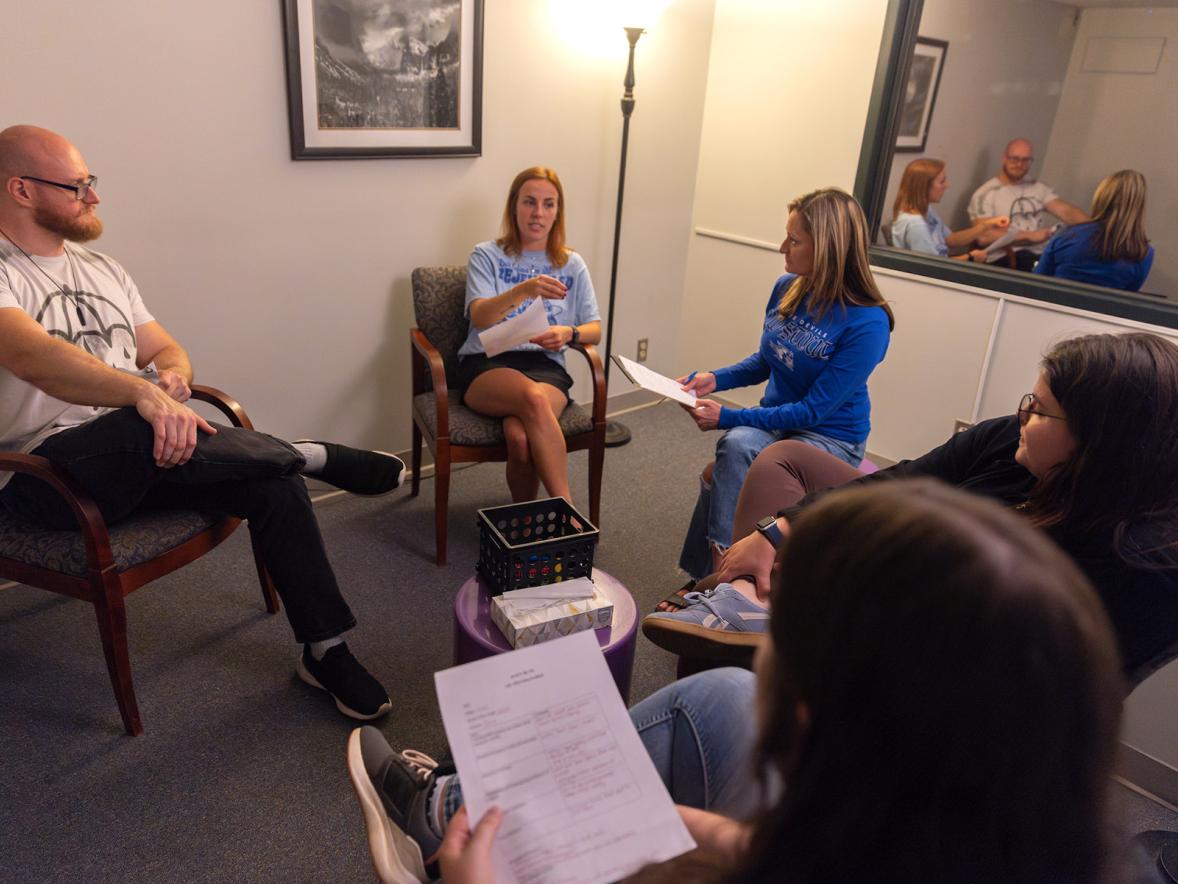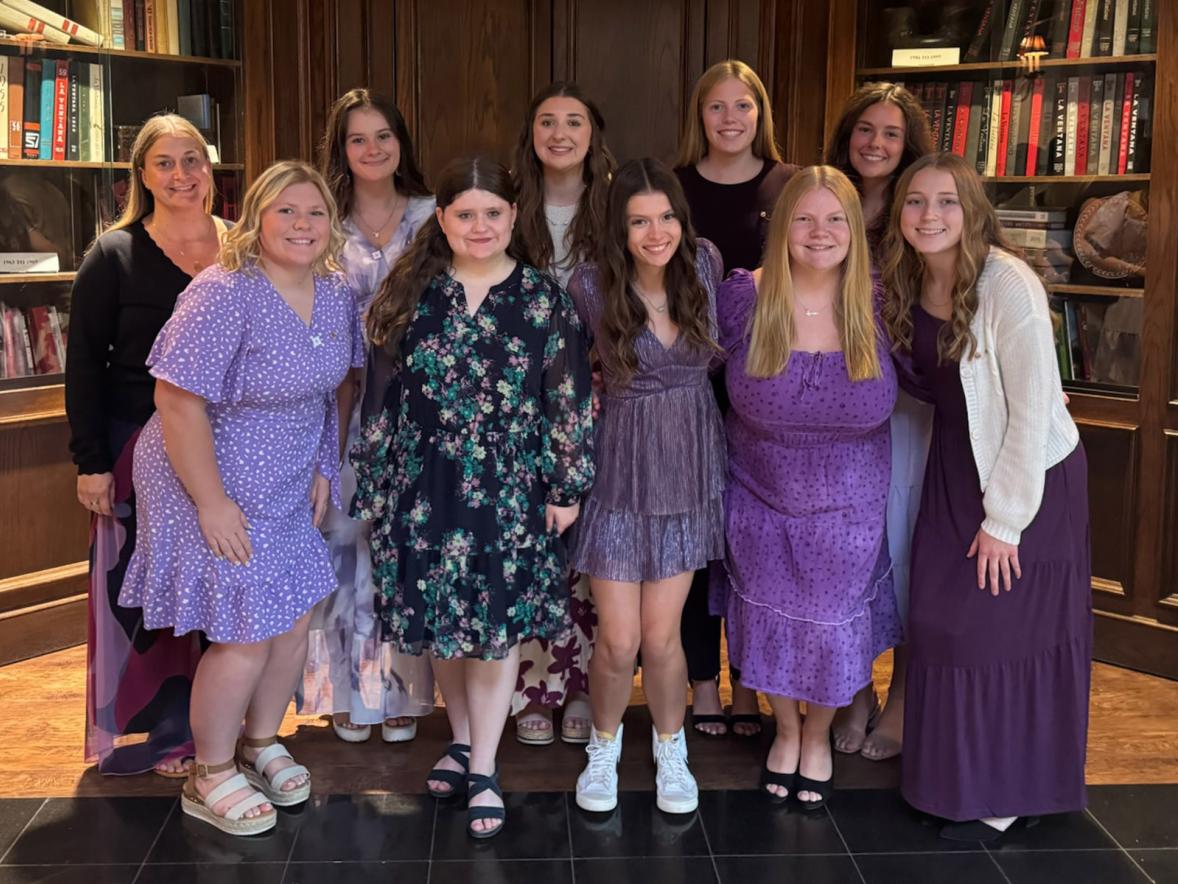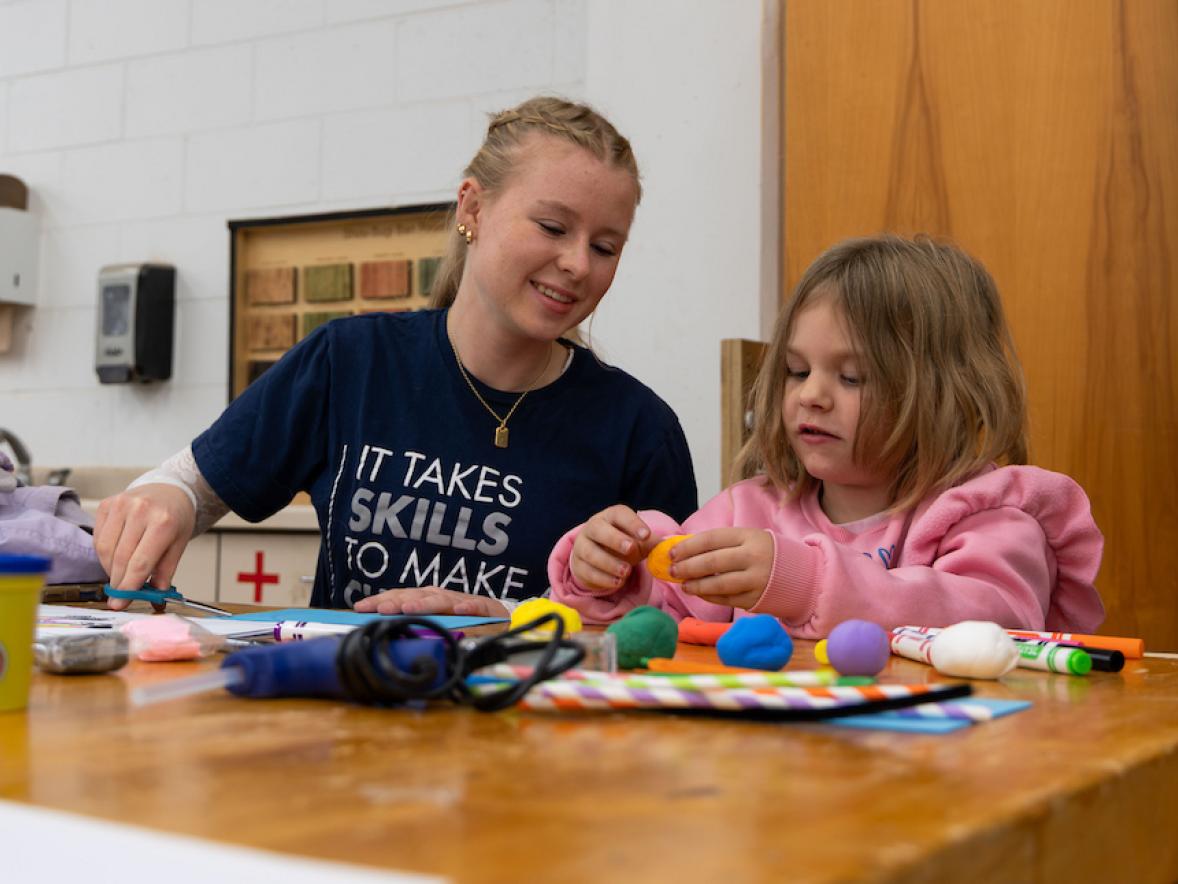






UW-Stout Polytechnic will step up to address rural Wisconsin’s shortage of mental health professionals, substance use counselors and social workers with funding from a multimillion-dollar federal grant.
The projects, funded with five-year grants through the Rural Health Transformation Program, will create new educational and professional pathways – including new master’s programs and online delivery – for rural residents while helping meet the health care needs of their communities.
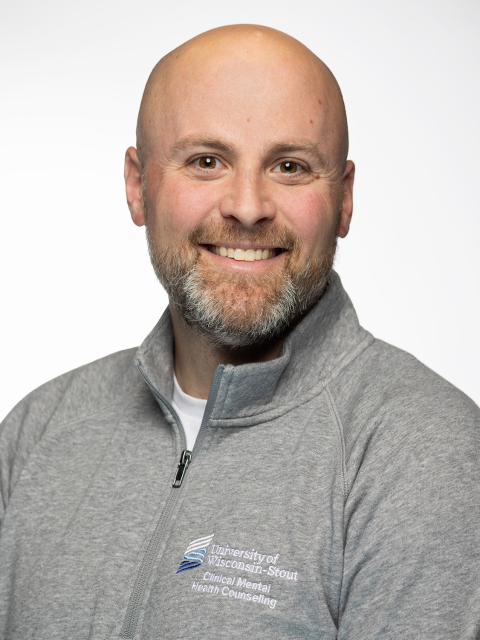
“If we can help bring the education to these rural communities, we can then equip people who are already living there to establish their career for themselves and not necessarily have to take the time to come to campus,” said Associate Professor Andy Felton, chair of the counseling, rehabilitation and human services department.
As a polytechnic institution, impact is crucial to everything UW-Stout Polytechnic does, and the two successful grant proposals from faculty members promise to have a major impact on the state. The first, “Expanding Human Services Education in Rural Wisconsin,” has been authorized to receive $982,323 in its first year, with anticipated funding totaling $4,380,532 over five years, pending the availability of federal funds. Felton serves as the project lead.
The second, “The Rural Substance Use Disorder Clinical Training Hub,” has been authorized to receive $59,648 in its first year, with anticipated funding totaling $217,438 over five years, pending the availability of federal funds. Assistant Professor Yen Chun Tseng serves as the project lead.
Grant funding comes from the Centers for Medicare & Medicaid Services of the U.S. Department of Health and Human Services through the Wisconsin Department of Health and Human Services and the Universities of Wisconsin.
Project will create new master’s program, online delivery
More than 1.5 million Wisconsin residents live in communities without an adequate supply of mental health providers. These largely rural communities experience similar rates of mental health challenges as larger cities. In some cases, they may have higher rates: Many rural communities have higher populations of veterans and farmers, two groups that experience disproportionately high rates of mental health and substance use concerns.
One of the new grant-funded programs will address these problem in two ways: First, it will expand UW-Stout Polytechnic’s existing M.S. clinical mental health counseling program to create an online delivery option. Second, it will develop a new hybrid and part-time master’s of social work degree program.
“The mental health counseling field tends to give more focus to micro-scale kinds of interventions –working more one-on-one, with the family or doing group therapy to help people succeed in their mental health goals,” Felton said. “Social work can encompass some of that, but our intention is to really focus the program on macro-scale issues. Graduates will be prepared to offer a range of services like case management but also be equipped in addressing policies that influence these rural communities that are in high need for human services.”
Demand for both kinds of professionals is expected to continue to grow in Wisconsin over the coming decade, and the new programs can help meet that need. In addition, Felton noted, research indicates that online education options can improve retention of students in rural communities. Because of its geographic location and existing infrastructure, UW-Stout Polytechnic is well-positioned to provide the new programming.
The grant will fund six new faculty members as well as administrative support. Together, the new programs are expected to enroll 36 students a year.
Addressing rural substance use disorder
Tseng, who is program director for the B.S. rehabilitation services and B.S. rehabilitation services online programs, said the grant will create a clinical training hub to address the shortage of licensed substance use disorder counselors in rural Wisconsin.
Through a partnership with Arbor Place, a treatment center based in Menomonie, the project will expand opportunities for rural clinical practice by UW-Stout Polytechnic students. The initiative is aimed at supporting a pipeline of approximately 10 students annually in rural practicum settings. This will increase rehabilitation services to rural communities and address workforce shortages while also recruiting students from rural communities, prioritizing recruitment of students from Dunn, Buffalo, St. Croix, Barron and surrounding counties.

In addition, existing clinical staff will receive training as supervisors, further developing the rural workforce. The project will create a dedicated instructional and supervision space at Arbor Space to support the clinical training of rural students. Remote technology will also be used to address barriers that may prevent students from seeking placements in rural areas.
“We hope that they can serve as a training hub for substance use counselors,” Tseng said. “In that way we can have a more sustainable workforce and also keep the students in the area when they graduate.”
UW-Stout Polytechnic’s counseling, rehabilitation and human services department offers five master’s programs, including marriage and family therapy, clinical mental health counseling, rehabilitation counseling, school counseling and school psychology. The department also offers three undergraduate programs as well as minors and certificates.
These projects are supported by the Centers for Medicare & Medicaid Services (CMS) of the U.S. Department of Health and Human Services (HHS) through a subaward as part of a financial assistance award made to the State of Wisconsin Department of Health Services totaling $407,365,094.25 with 100 percent funded by CMS/HHS. The contents are those of the authors and do not necessarily represent the official views of, nor an endorsement, by CMS/HHS, or the U.S. Government.