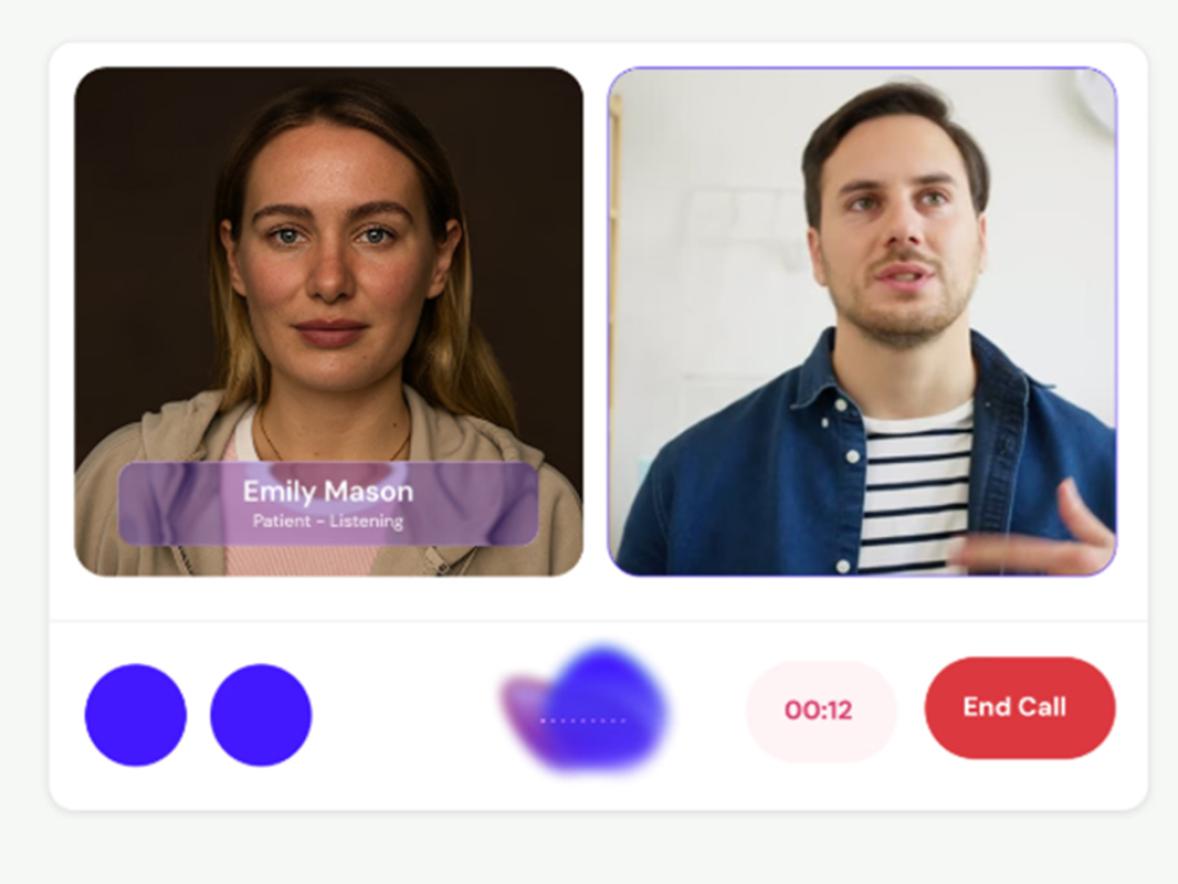






From ChatGPT to Siri, Americans of all ages are using text- and voice-based artificial intelligence tools to find social connection, entertainment and even health information. One recent survey found that 55% of people 50 and over have used such technologies. But are they using them safely and wisely?
UW-Stout Assistant Professor Camille Banger and AI Integration Technologist Emily Laird were two of the experts consulted for an article published recently by AARP that offered advice to older adults on how to use AI chatbots confidently.

“Chatbots can be incredibly helpful for a variety of tasks that simplify the more traditional act of performing Google searches or feeding in multiple sources of information and asking it to review and summarize,” Laird told the article’s author, Kristen A. Schmitt. Despite these benefits, however, chatbots aren’t always truthful or accurate, which means users shouldn’t trust them without question.
“AIs are not using reasoning based on human thought processing,” added Banger, program director for UW-Stout’s B.S. business information technology program, who has used AI in her own classroom. “Instead, it’s taking the data it already has access to.”
The article included tips on staying safe with AI tools:
Know who you are talking to.
Are you communicating with a human being or a bot? One clue: Chatbots are designed to keep users engaged, which leads to “sycophantic” responses and “overly embellished flowery language,” Laird said.
Double-check responses.
Especially when answers related to financial, legal or health issues, always double-check responses. AI may be a starting point, but it shouldn’t have the final word.

Report questionable information.
If a chatbot response seems suspicious or incorrect, there typically will be a way to provide feedback. For example, responses from ChatGPT are followed by thumbs-up or thumbs-down icon. Claude, Gemini and Microsoft Copilot offer similar tools.
Protect personal data.
“Treat any chatbot like a stranger you’ve just met at a store or a bus stop,” Laird said. “They’re polite, they’re helpful, but they’re not someone who needs any personal details.”
Watch out for scams.
The UW-Stout experts also noted that chatbots may be used to scam unsuspecting users. “If somebody’s calling you and it’s urgent, like ‘act now,’ or they’re requesting payments or ‘Hey, get a free gift card,’ those are usually scams,” Banger said. While a robocaller may sound like a legitimate human, “I would say 100% of the time it’s not,” she added.
To learn more about confidently navigating the AI-powered era at any age, read the AARP article “6 Ways to Stay Safe in a Chatbot World.”