





UW-Stout Polytechnic emphasizes lifelong applied learning for its students and faculty alike, including promoting excellence in teaching and research through sabbaticals.
Sabbaticals enable recipients to engage in intensive study to become more effective teachers and scholars and to enhance their services to the university.
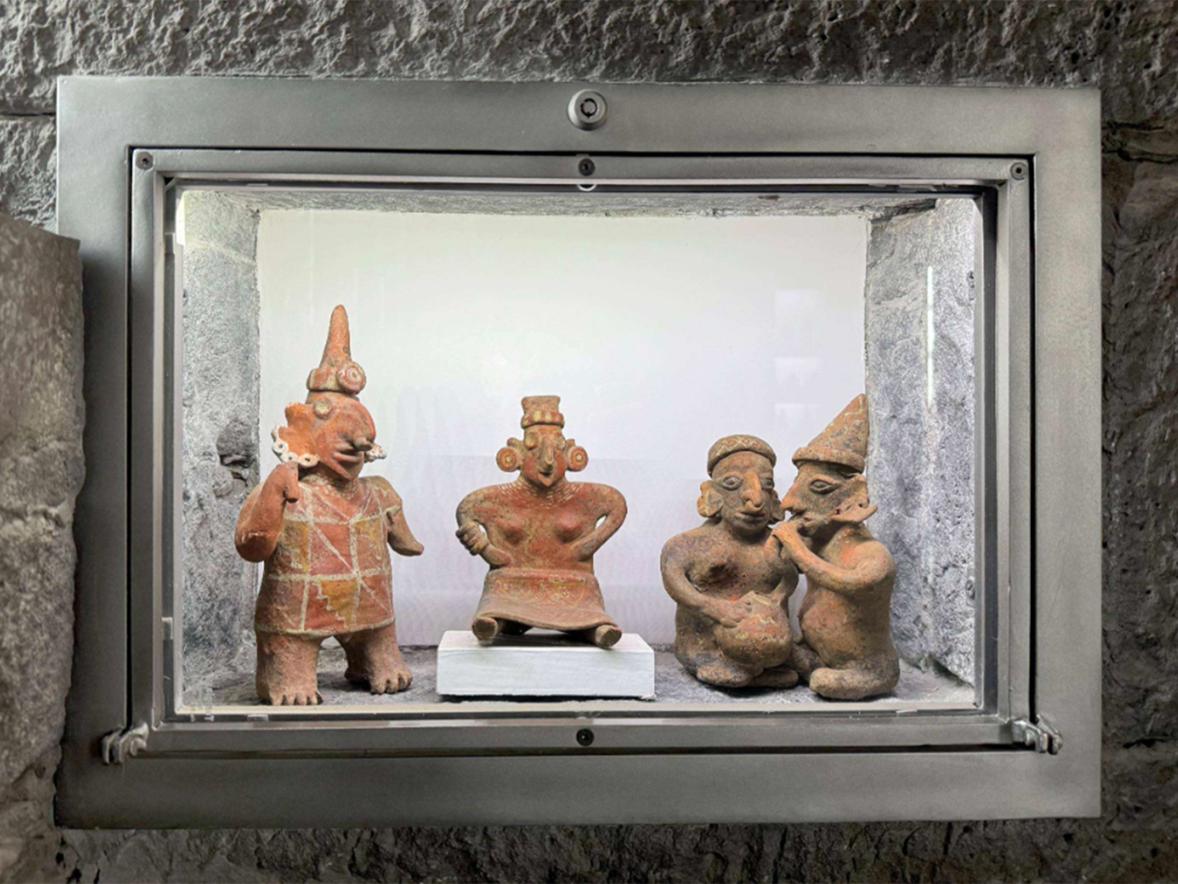
Last spring semester, graphic design and interactive media Professor Alex DeArmond traveled to Mexico City to visit Museo Anahuacalli and research its unique history. His project explored broader questions about exhibition design and the way institutions present and view ancient objects.
“The dialog between the contemporary city and the museum’s collection served as the starting point for a range of design outcomes during my sabbatical, and these experiences created new opportunities for future research trajectories,” he said.
With an emphasis on the agency of ancient objects, his research explores how physical items do not just passively reflect human history, but actively shape, influence and participate in social life.
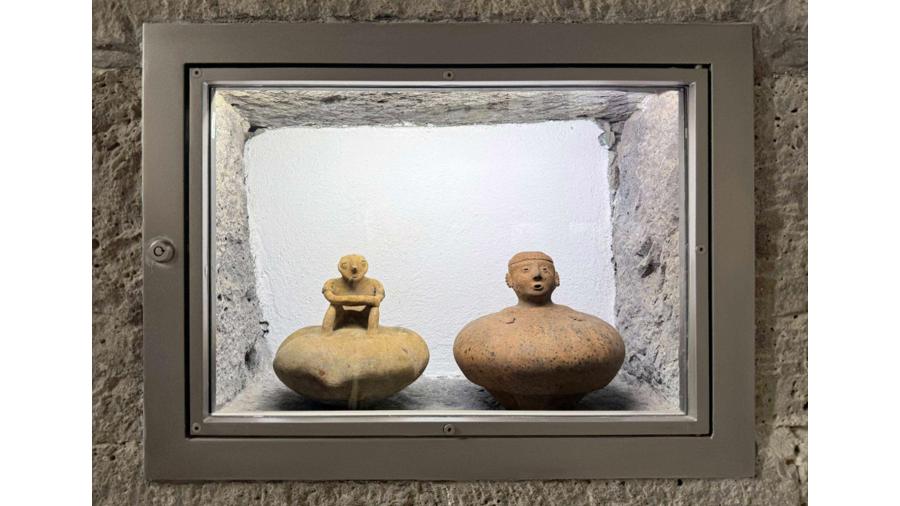
DeArmond will present outcomes, reflections, and insights from his research in a sabbatical presentation, “Anahuacalli in Context,” from 6 to 7 p.m. on Wednesday, Dec. 2, in Applied Arts room 321.
To become a participant in the search for meanings
The starting point of DeArmond’s project began in 2023, when he received support from the university to attend the Index Art Book Fair in Mexico City. During his visit, a local colleague took him to Museo Anahuacalli. He was completely entranced by the collection and, more importantly, the way it was presented.
“As a designer, most of my career has been spent working with cultural institutions and museums, but I’d never seen anything quite like Anahuacalli. I wanted to know more about the place and its history and to explore the ways it subverted a typical museum experience – to understand what it all meant,” he said.
Museo Anahuacalli was conceived and planned by the artist Diego Rivera to house his personal collection of nearly 60,000 pre-Columbian artifacts. “It was more than a museum; it was an ambitious artwork, architectural in scale, and a deeply political project that addressed emerging ideas about Mexican national identity,” DeArmond said.
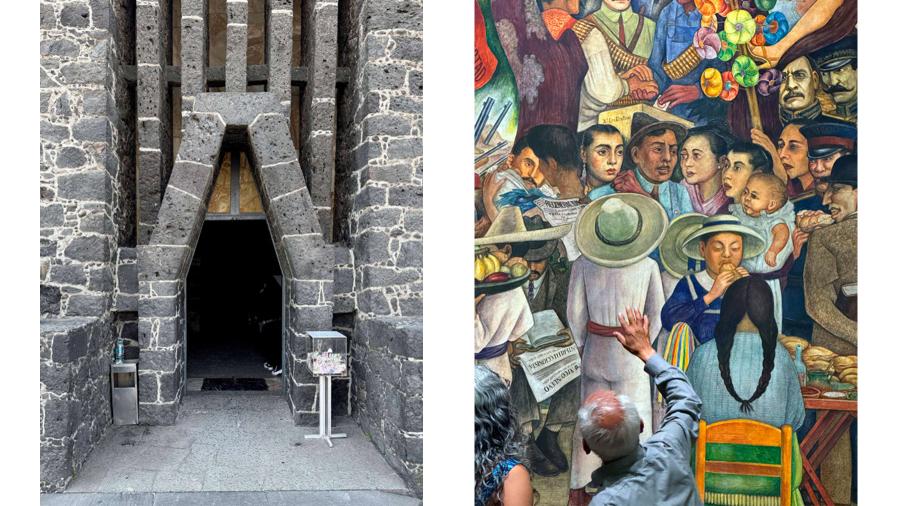
The museum was initiated in the 1950s at a time when Mexico City was growing at a rapid pace, situated in what was then a far suburb. Today, the city has grown to envelop the museum, and it has become a place that makes visible the connection between the dynamism of the contemporary city and its ancient roots that go back over 1,000 years.
“A typical museum presents objects through an anthropological lens, connecting them to the regional traditions that produced them, perhaps categorizing them by era, material or technique. These strategies help us contextualize the objects into some larger framework, but through that process we also lose the immediacy of encountering them on their own terms. We read the didactic panel, we ‘understand’ the object, digest it and move on. But do we really see it?” DeArmond asked.
Anahuacalli’s approach challenges visitors’ expectations about these objects. The museum has no object labels or didactics, no written context for what is being seen. This strategy invites the viewer to look closer, to become a participant in the search for meanings beyond categorization, he explained.
“Rivera approached the objects’ presentation with the eye of an artist, putting artifacts in dialog with one another in an intuitive or poetic way. One display case might contain objects that come from different cultural traditions, time periods, and regions but somehow suggest a narrative when grouped together through their thematic or formal characteristics,” he said.
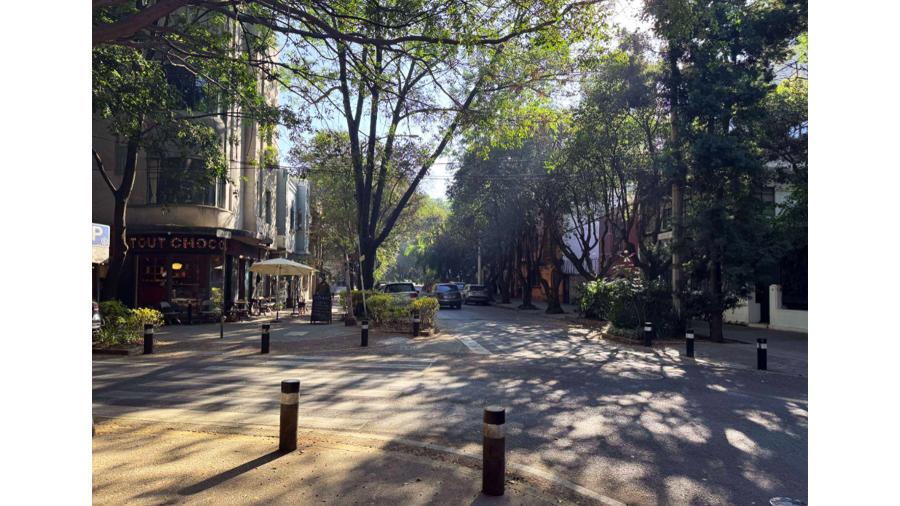
In terms of both protecting ancient objects and creating accessibility to them, DeArmond tries to describe some of the spontaneity and sense of exchange that happens when museum visitors come face-to-face with an artifact.
“The object looks back; it has a certain autonomy in this scenario. This power of the encounter, I believe, is what Rivera was trying to make accessible through his display strategies at Anahuacalli; to offer viewers the space for seeing these objects in this more essential, and immediate way,” he said.
Opening new ways of thinking in museum scenography
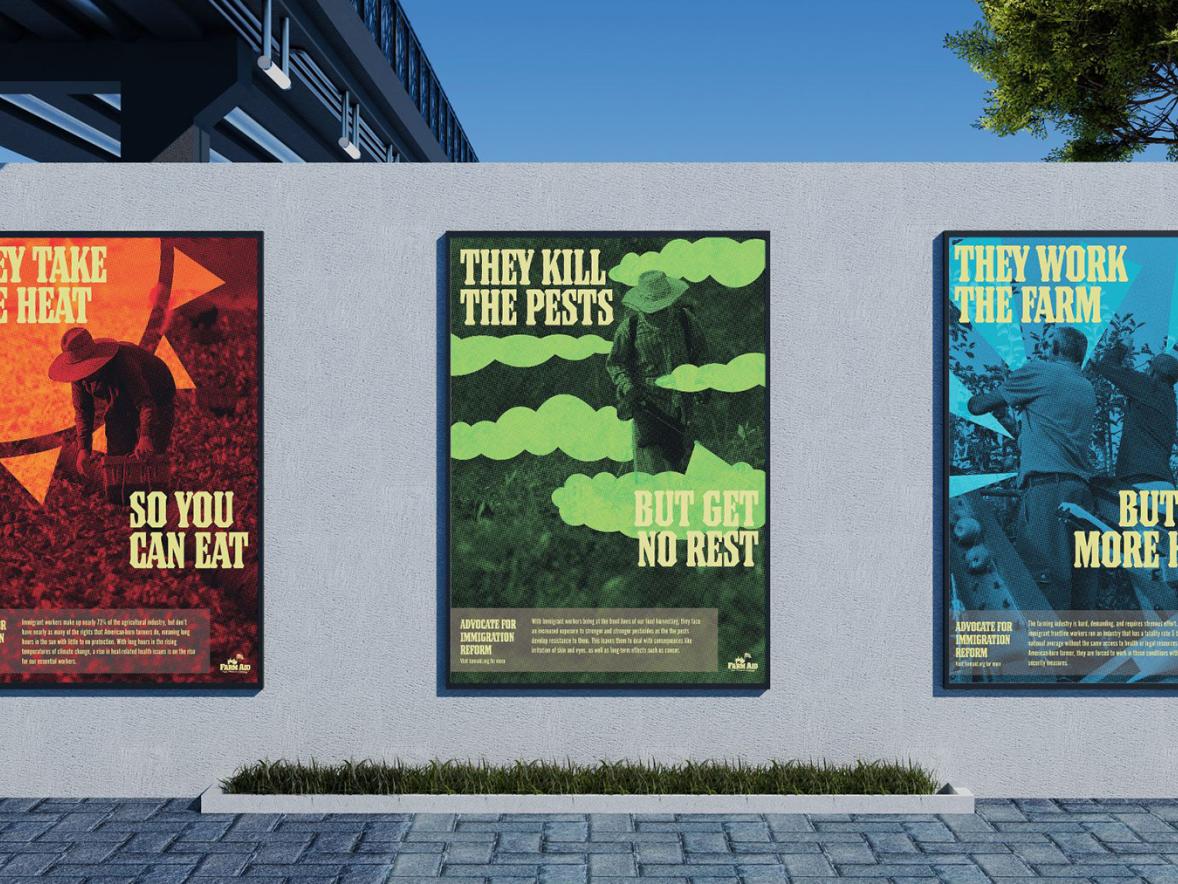
As part of his project, DeArmond designed a set of large-format prints for a group exhibition in Mexico City, “Camino Adentro” at Casa Lü Parque. The prints represented a selection from a larger series that explored the connections of past and present through the literal framework of the display case.
DeArmond is also planning a book proposal that presents the unique scenography – the physical, visual, and sensory environment of an exhibition that guide the visitor's journey – of Anahuacalli to a broader audience. “By examining and highlighting the poetic aspects of visitor experiences at Anahuacalli, I hope to contribute to scholarship around alternative approaches to museum scenography. The publication will serve to expand awareness of this unique place and encourage more dialogue around the ideas it presents,” he said.
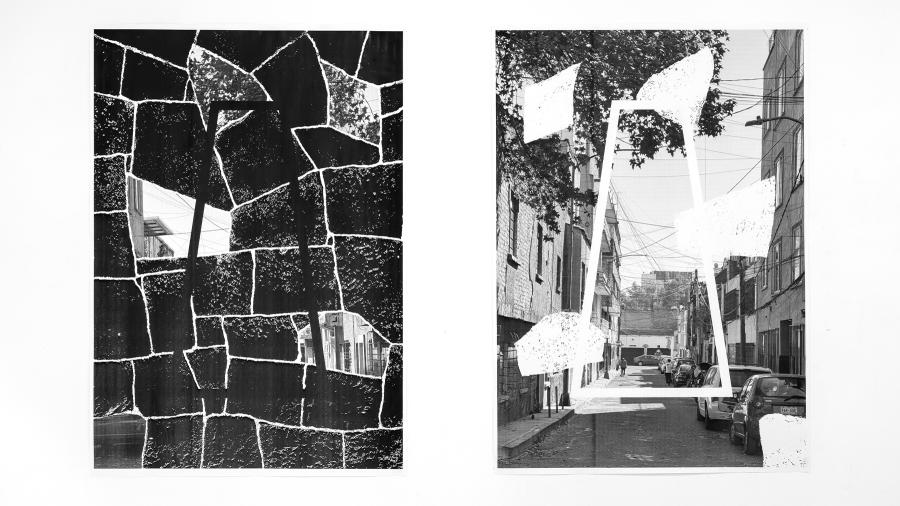
“The opportunity to spend time in the city, to contextualize Anahuacalli, impacted my design practice in unexpected ways. As a designer, my work is always client-based. This experience was a rare opportunity to work through ideas that really come out of my own curiosity and interests. The opportunity to find ways to present this work through the exhibition and future publication has reframed my practice and opened up new ways of working,” he added.
UW-Stout Polytechnic’s School of Art & Design (SOAD), one of the largest public art schools in the Midwest, offers bachelor of fine arts degrees in career-focused design fields, including product design, interior design, fashion design, graphic design and interactive media, and game design, as well as degrees in video production; animation; illustration; studio art; arts administration and entrepreneurship and an M.F.A. in design. In addition to industry-quality labs and studios, SOAD is renowned for annual signature events including the SOAD Showcase, Fashion Without Fabric, Stout Game Expo, Stout Fashion Show and Unspooled Film & Animation Festival.