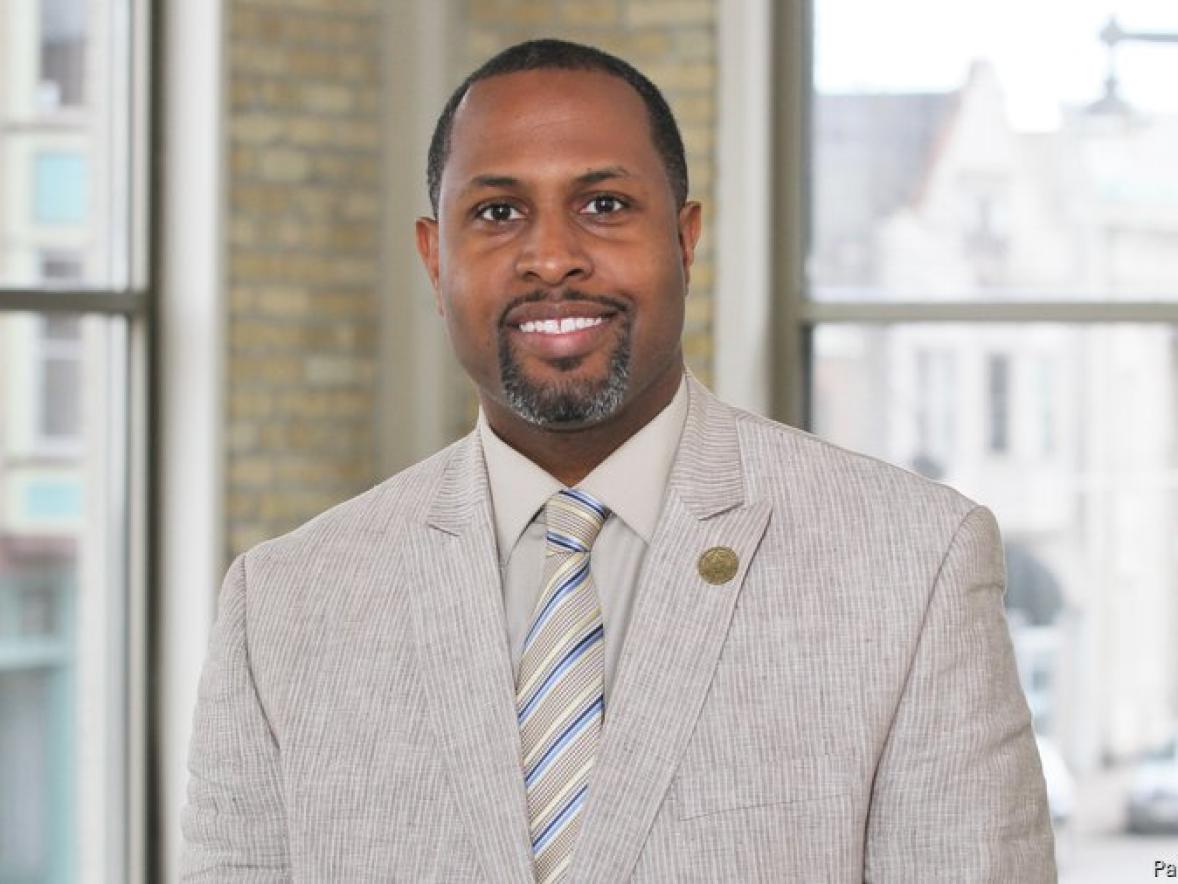





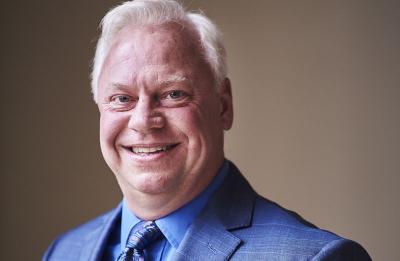
Gavin Quinnies has spent his career changing how organizations think about prevention. As Chairman and CEO of US HealthCenter, he oversees a team of 80 developers, clinicians and project managers serving thousands of employer clients and 250,000 members across all North America and overseas. His work has worked with nearly 1 million people and has helped over 67,000 people avoid disease, surgeries and other serious health issues by using data to identify risk early, guide behavior and reward prevention. By aligning incentives with prevention, these systems challenge a health care model traditionally built around treatment rather than long-term wellness.
That focus on responsibility and early action was shaped long before his professional career began. Quinnies grew up in a working-class household defined by resilience and practicality. His mother emigrated from Berlin after World War II. His father came from a machinist family and originally studied deaf education and soon settled into a career of metals distribution. At 15, his family purchased a small, bankrupt print shop. Quinnies balanced classes, athletics and helping to run the business, leaving school each day to work in the shop and gaining responsibility and real-world problem-solving opportunities at a young age. In the evening he worked at the metals distribution factory.
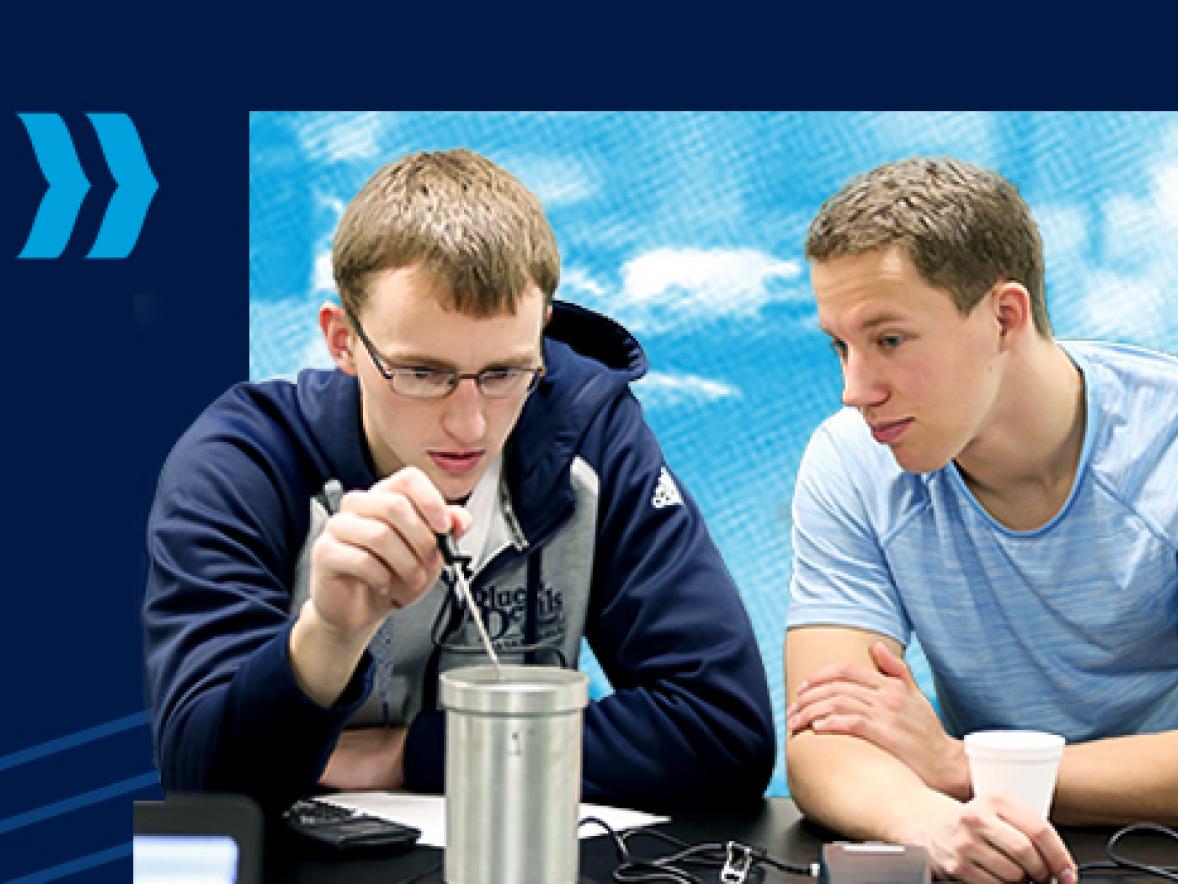
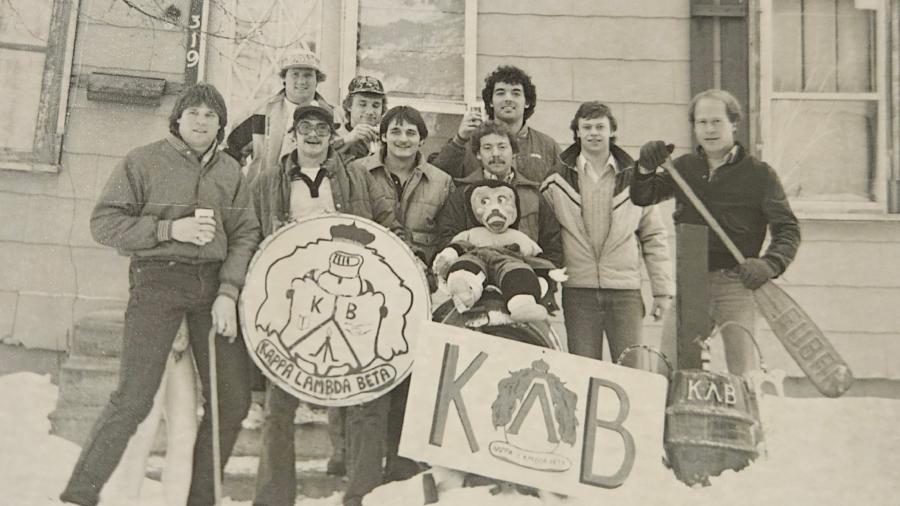
Quinnies attended UW-Stout for its renowned printing program, arriving with hands-on experience and quickly learning the value of stepping back to understand larger systems. While at Stout, he balanced varsity soccer with leadership roles as president of The KLB Fraternity and the Inter-Greek Council, where the principles of knowledge, leadership and brotherhood shaped his experience. That same drive helped the Blue Devils win the Chancellor’s Cup in 1985, the highest honor in WIAA soccer at the time. His leadership roles at Stout and his engineering capstone, where he managed a simulated factory, gave him confidence that translated directly into his career.
After graduating in 1987, he entered the aerospace industry, focusing on artificial intelligence, automated process planning and intelligent networks. This experience placed him shoulder to shoulder with graduates of the Massachusetts Institute of Technology (MIT), Rensselaer Polytechnic Institute (RPI) and some of the world’s brightest minds in aerospace manufacturing. This experience confirmed that he was ready for the work that lay ahead. “I realized pretty quickly that I wasn’t behind them,” Quinnies says. “In a lot of ways, I was ahead because of the combination of applied education, scientific and leadership curriculum unique to Stout.”
The family business enterprises later evolved from a small print shop to also include a metals manufacturing and distribution firm. Quinnies helped drive the transformation of the metals firm by applying engineering-based systems to every part of the operation, from quality and safety to technology, sales and productivity. That disciplined approach fueled rapid growth, expanding the company from $20 million to $100 million with multi-state operations. The firm was eventually acquired and taken public, and Quinnies stayed on as chief quality, safety, and health officer for the $2 billion parent company, overseeing 100 locations nationwide.
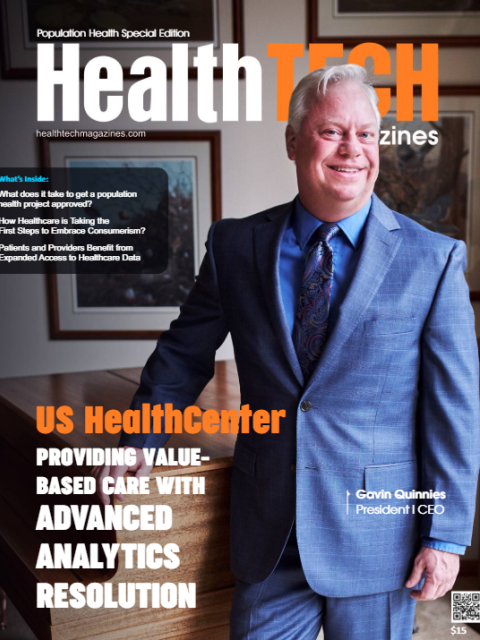
His professional experience showed Quinnies firsthand how structured systems, data, and incentives could improve both employee well-being and organizational performance. Building on that insight, he turned his attention fully to healthcare, applying the same principles of prevention, measurement, and early intervention to help people stay healthy before problems arise.
In 2003, he co-founded US HealthCenter with Dr. Raymond Gavery to transform how people prevent disease. Their PredictiMed™ platform analyzes DNA, behavioral data, medical records, prescriptions, lifestyle habits and wearable data to identify health risks years before symptoms appear. Validation from Intel-GE studies show use of the platform can lower high-risk pre-disease conditions and reduce emergency room visits and hospitalizations by 80 to 93 percent.

Today, Quinnies manages the day-to-day operations of US HealthCenter, including personnel, client services, financial decisions, software development, and sales management. “My proudest accomplishment is that we’ve never lost a customer because of poor quality and we’ve never lost a teammate because they didn’t like it at our firm. Culture is awesome. We have doubled our growth, both headcount and revenue the last two years and will again in 2026. We have won every award and recognition that our industry offers,” he says. His applied engineering mindset continues to shape the organization, ensuring predictive health solutions remain innovative, scalable and patient-centered.
“That Stout DNA never leaves you,” Quinnies says. “I still approach problems the same way today. The applied part of Stout is real. You’re not just learning theory. You’re actually doing the work.”