
Transfer-Friendly Program
Our transfer-friendly program lets you bring in up to 60 transfer credits from prior coursework or professional experience. This means you can graduate faster without sacrificing the quality of your education.
UW-Stout's Bachelor of Science (B.S.) in Rehabilitation Services (formerly Vocational Rehabilitation) will train you to identify, provide and/or coordinate services for people with disabilities. Turn your passion for people into a meaningful career related to counseling, psychiatric rehabilitation, social work or substance abuse and create a difference in the lives of those who deserve our support.

Prepare for your career with hands-on experiential learning. Through a carefully planned sequence of experiences, the B.S. Rehabilitation Services program will introduce you to the career field through a pre-practicum course. You'll refine your knowledge with two required practicums:
The program is dedicated to promoting your academic and career success, self-growth and leadership development. As part of your educational experiences, you'll learn about the many types of services provided to clients.

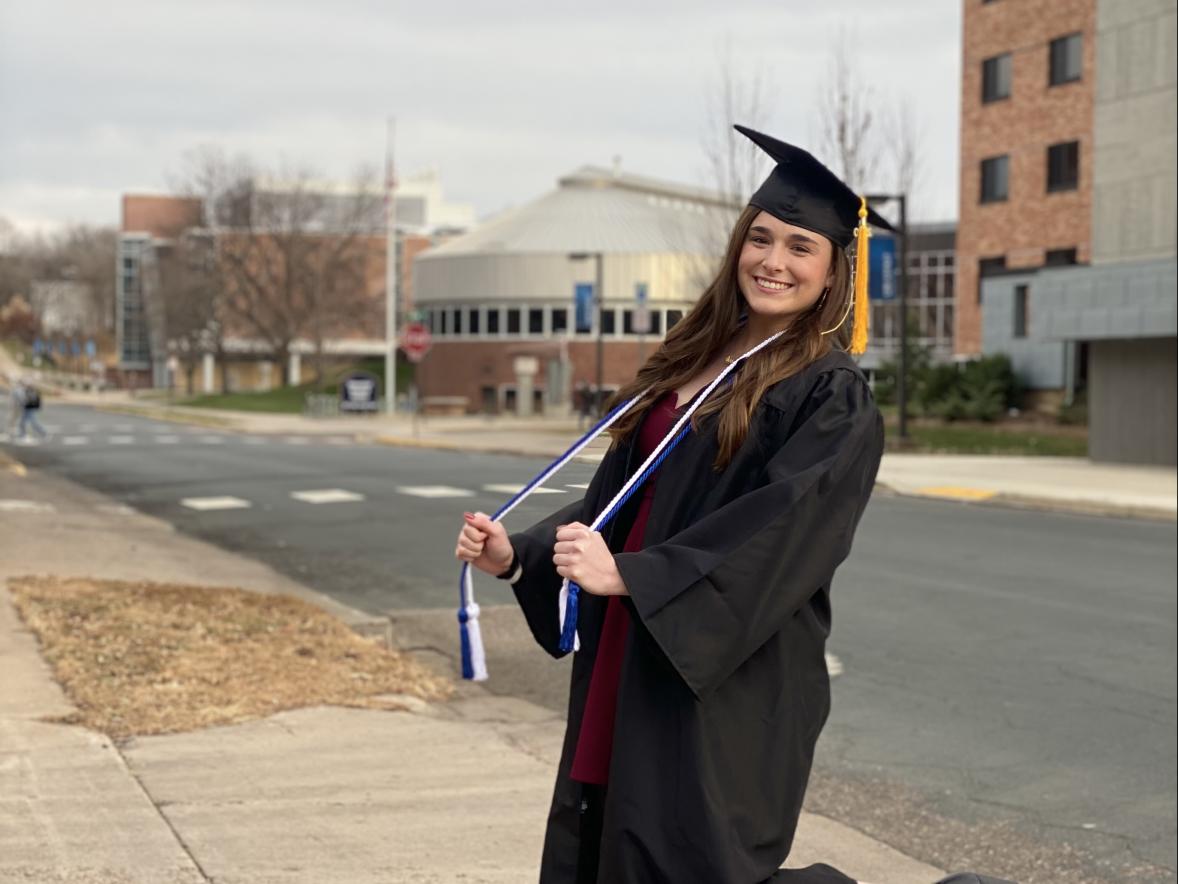
"UW-Stout was truly my second home. I could not say enough wonderful things about my program and the professors I worked with. Professionally and personally this was one of the best experiences of my life and the growth I have experienced has been tremendous!"
~ Alexa DeMoe ('15, '18)
Mental Health Therapist
SOAR Services
Our transfer-friendly program lets you bring in up to 60 transfer credits from prior coursework or professional experience. This means you can graduate faster without sacrificing the quality of your education.
Use the Request Information form to receive a program summary and learn more about the Bachelor of Science degree in Rehabilitation Services.
Forget TA-taught classes and 200-person lectures. At UW-Stout, building close relationships with our industry-experienced and academically accomplished rehabilitation faculty will play a key role in your polytechnic education. Learn more about your future instructors!
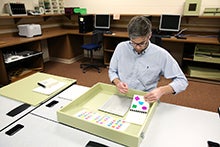
The Vocational Evaluation laboratory located in the Vocational Rehabilitation building includes current assessment systems designed to help the rehabilitation professional identify the potential of individuals with disabilities. Computers, assessment software, situational assessment and work samples are utilized.
Take your education into industry and earn while you learn through UW-Stout’s award-winning Cooperative Education & Internship Program (CEIP) and other placements. Unlike traditional internships, our professional paid and unpaid credit-earning experiences connect you with leaders in your field, including government agencies, impactful non-profits and passionate social services organizations, to ensure you’re set up for success long before you graduate. More than a third of Stout students accept positions after graduation with their internship employer.
Recent Internship Employers
Select Internship Position Titles
Each year, Stout rehabilitation services graduates are among the most sought-after hires to enter the workforce, routinely beating out applicants for impactful positions as social services specialists, residential supervisors, behavioral treatment techs, and more. Why? Stout is a national leader in vocational rehabilitation training. Everything you learn in our program enhances the skills you'll use on day one of your career. Where others list their education, you’ll be able to identify your experience.
Select Recent Employers
If you are a high school student contemplating a career in rehabilitation services, you should take college preparatory classes. Effective communication skills are important, so technical writing and speech courses are recommended. You are strongly encouraged to gain related experience by volunteering in community work or joining organizations like ARC (an advocacy group for persons with cognitive disabilities).
Learning Experiences
Courses in the program cover three areas: general education studies, professional studies and concentrations. Instructional methods include both classroom and field-based experiences. Classroom experiences provide you with a theoretical foundation. Field-based experiences allow you to apply what you have learned. Concentrations allow you to focus newly acquired skills on a specific clientele or service delivery system. Five main concentrations are offered through the program.
Enjoying Student Life
The campus learning environment includes a wide variety of activities. Intramural sports, social clubs, sororities and fraternities, honor societies and professional organizations are all included. The student professional organization related to the Rehabilitation Services program is the Stout Vocational Rehabilitation Club.
The Department of Rehabilitation and Counseling provides academic and experiential coursework leading to a Bachelor of Science Degree in Rehabilitation Services. The mission of the B.S. in Rehabilitation Services program is twofold: first, to prepare individuals for careers as specialists in a variety of rehabilitation settings. A second objective is to provide a comprehensive broad-‐based education for those persons wishing to pursue advanced professional study in rehabilitation. All students enrolled in the B.S. in Rehabilitation Services program must also complete a concentration, specialization, or minor as a requirement of the program.
There are three basic broad objectives of the B.S. in Rehabilitation Services:
Graduates of the program have excellent job prospects, both in the number of openings and in the diversity of positions available. Salaries have shown a steady increase over the past several years. Three-year follow-up studies show steady advancement and salary increases.
The Rehabilitation Services program prepares you for dynamic careers in the human services field. You'll select coursework that will prepare you for positions such as:
UW-Stout Graduates at Work
| First Name | Last Name | Title | Organization |
|---|---|---|---|
| Jamie | Arenz | First-Year Advisor, Achievement Center | UW-Stout |
| Kira | Blake Sullivan | Manager, Business & Partnership Development | Goodwill Industries of North Central Wisconsin (NCW) |
| Kevin | Drzakowski | Associate Dean, College of Arts & Human Sciences | UW-Stout |
| Tom | Hallgren | Licensed Social Worker | Wright County Minnesota Department of Health & Human Services |
| Whitney | Hamilton | Licensed Social Worker | Chippewa Valley Correctional Treatment Facility |
| Daniel | Kelsey | Professor; Program Director, M.S. Rehabilitation Counseling | UW-Stout |
| Kyle | Kleist | Executive Director | Center for Independent Living for Western Wisconsin |
| Greg | Quinn | Veterans Service Officer | Dunn County Veterans Service |
| Yen Chun | Tseng | Assistant Professor; Program Director, B.S. Rehabilitation Services | UW-Stout |
| Kyle | Walker | Executive Director, Stout Vocational Rehabilitation Institute | UW-Stout |