An Exceptional Rehabilitation Counseling Program
Our commitment to excellence is reflected in the achievements of our graduates, with 100% securing employment within six months of completing their degrees.
UW-Stout's comprehensive, 100% online Master of Science (M.S.) in Rehabilitation Counseling prepares you to adeptly support individuals with a variety of disabilities—from physical and cognitive to intellectual, psychological, and sensory. Learn to guide clients toward informed choices, aid them in achieving their potential, and contribute to their personal, social, and economic independence. Especially effective for professionals currently employed in rehabilitation or related fields, our program is structured to complement full-time employment.
Our commitment to excellence is reflected in the achievements of our graduates, with 100% securing employment within six months of completing their degrees.


The core curriculum of UW-Stout's Rehabilitation Counseling program blends foundational knowledge with practical skills, covering areas like psychological assessment, clinical counseling, and vocational evaluation.

UW-Stout's M.S. in Rehabilitation Counseling is delivered entirely online, providing a flexible learning environment suitable for both seasoned professionals and newcomers to the field.
This 60-credit master's program utilizes asynchronous online learning methods, which means that you can participate in weekly learning assignments at a time that is most convenient for you wherever there is an adequate internet connection. Training is provided on how to access course materials through the university’s course delivery system. Students communicate regularly with instructors and classmates via online discussion forums, emails, virtual meetings and through other technologies. An initial 1-day orientation is required and will be conducted virtually.
UW-Stout's M.S. in Rehabilitation Counseling program is especially effective for professionals currently employed in rehabilitation or related fields, offering a structure that complements full-time employment. With a steady pace of two courses each semester, including summer sessions, students can complete their graduate degree in three years without disrupting their professional lives or other commitments. This program not only accommodates working professionals but also welcomes individuals new to the field of rehabilitation and disability.
Use the Request Information form to receive a program summary and learn more about the Master of Science (M.S.) in Rehabilitation Counseling.
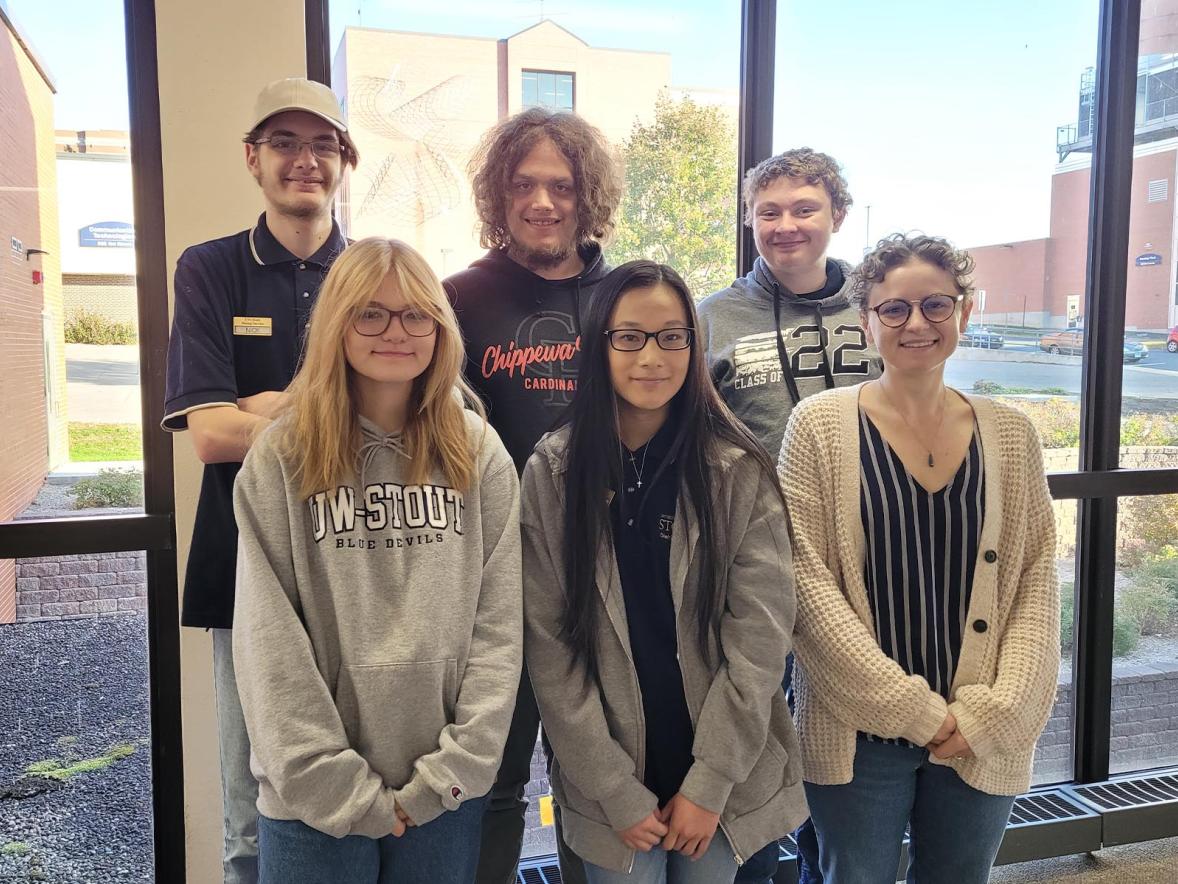
At UW-Stout, building close relationships with our industry-experienced and academically accomplished faculty will play a key role in your graduate education and your career. Develop the reflective, evidence-informed, culturally responsive, and advocacy-oriented competencies to change people's lives from vocational rehabilitation experts who have. Learn more about your future instructors!
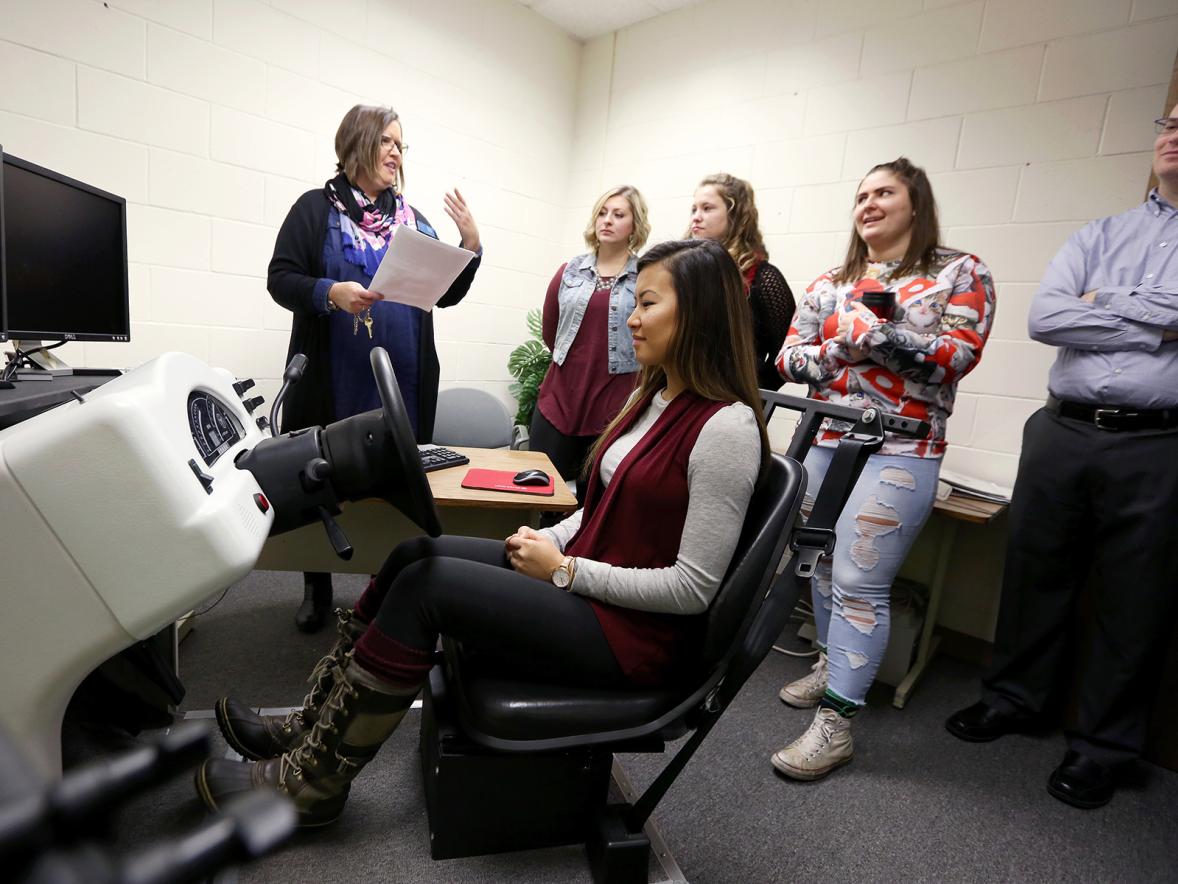
As a polytechnic university, Stout will take you beyond theoretical learning to embrace practical, field-based activities, including community site visits and professional projects with local rehabilitation services or employers. These hands-on experiences provide essential, real-world insights and skills you simply can't develop through theory-based degree. Personalize your experience by arranging practicum and internship experiences in your local area or wherever feasible, or fulfill your experiential requirements at your current workplace.
Upon graduating from the program, you will be both eligible and well-prepared for the national Certified Rehabilitation Counselor (CRC) examination. Furthermore, our program provides a solid foundation for pursuing the Licensed Professional Counselor (LPC) credential in Wisconsin, with potential eligibility for comparable credentials in other states.

Given UW-Stout's longstanding national leadership in vocation rehabilitation, Stout rehabilitation counseling graduates are among the most sought-after hires to enter their profession. Why? Everything you learn at Stout enhances the skills you'll use on day one of your career. Where others list their education, you’ll be able to identify your experience.
Select Recent Employers
UW-Stout degree programs using the all-inclusive customized instruction model are designed with the adult learner in mind. Other universities will present costs and value differently, so make sure you're comparing apples to apples. If you're comparing UW-Stout's online degree customized instruction (CI) tuition to our competitors, keep in mind:
Customized Instruction also provides:
All prospective graduate students at UW-Stout must follow a standard application process through Graduate Studies. Beyond that, each graduate program has specific requirements that must be met to be successfully admitted to the program:
To successfully apply for the program, first complete the UW System Application and receive your Application ID. Then, use this ID to fill out the UW-Stout Graduate Studies Collection Form, where you will provide the following:
Students are admitted in the fall semester each year. Applications received after the deadline may be considered based on available openings in the program.
Rehabilitation counselors work with a wide variety of individuals who experience physical, cognitive, developmental, psychological or emotional disabilities or other types of chronic illnesses. The goal of the rehabilitation counseling process is to facilitate independence and self-determination leading to positive vocational and psychosocial adjustment of persons with chronic illnesses and disabilities. Rehabilitation counselors provide individual and group counseling, vocational assessment, case management, service coordination and consultation services.
| Employers | Positions |
|---|---|
|
|
Orientation is usually held during the last week of July or the first week of August and is held virtually. All students are required to participate in the orientation prior to beginning online courses.
You will meet your instructors and classmates, become acquainted with university resources that you can access online, learn about university policies, and be introduced to available technical support. You will build collaborative online skills and learn the technology and basic skills necessary to succeed in a graduate-level online program. Past students have found this intensive orientation to be essential to their online learning, as well as in forming the necessary relationships with classmates and faculty that have helped them succeed in the program.
This program is designed to meet educational requirements for licensure/certification in the state of Wisconsin. Professional licensure/certification prerequisites vary from state to state, and we are not able to determine whether our program meets prerequisites in other states. If you intend to work in another state, contact that state's regulatory authority to determine if our program will meet the licensure/certification requirements, and contact the UW-Stout Program Director for assistance. Please see the following authorizations and licensure page for additional information.
| First Name | Last Name | Title | Organization |
|---|---|---|---|
| Lindsey | (Baker) Hanson | Workforce Development Supervisor | Minnesota State Services for the Blind |
| Eric | Batterson | Senior Disability Compliance Advisor | Mayo Clinic Health System |
| Dean | Berlin ('07) | Vocational Rehabilitation Counselor | U.S. Department of Veterans Affairs |
| Lea | Collins-Worachek | Director, Office of Business Opportunity & Equity Compliance | Wisconsin Department of Transportation |
| Debra | Homa | Professor Emeritus | UW-Stout |
| Kara | James ('06) | Disability and Accommodations Resource Specialist, MCCMS Student Services | Mayo Clinic Health System |
| Opatz | Karla | Vocational Rehabilitation Supervision | Wisconsin Division of Vocational Rehabilitation |
| Daniel | Kelsey | Professor; Program Director | UW-Stout |
| Kyle | Kleist ('04) | Executive Director | Center for Independent Living for Western Wisconsin |
| Erik | Martin ('04) | Executive Director | Pantheon Industries |
| Astrid | McDermott | Vocational Rehabilitation Counselor | U.S. Department of Veterans Affairs |
| Kendal | Peterson ('17) | Vocational Rehabilitation Counselor | Wisconsin Division of Vocational Rehabilitation |
| Sara | Ruckman ('02) | Provider Relations | Inclusa |
| Jamie | Stillion ('22) | Vocational Rehabilitation Counselor | Oklahoma Department of Rehabilitation Services |
| DeLeana | Strohl | Professor, Retired | UW-Stout |
| Tricia | Thompson ('10) | Board Member; Family Advocate | Wisconsin Board for People with Developmental Disabilities |
| Yen Chun | Tseng | Assistant Professor | UW-Stout |
| Kyle | Walker | Executive Director, Stout Vocational Rehabilitation Institute (SVRI) | UW-Stout |
| Sia | Yang ('11) | Vocational Rehabilitation Counselor | Wisconsin Division of Vocational Rehabilitation |
| Gretchen | Ykema | Staff Development Specialist | Minnesota Vocational Rehabilitation Services |